
Introduction: Why Plasmid DNA Remains Foundational
In 2025, the global cell and gene therapy market is booming, and at the heart of nearly every program lies plasmid DNA. Whether you are manufacturing mRNA vaccines, producing viral vectors for gene therapy, or engineering advanced microbial systems, plasmid DNA is the molecular blueprint that makes innovation possible.
This is why choosing the right plasmid DNA CDMO (Contract Development and Manufacturing Organization) is mission-critical. A strong partner ensures not only yield and quality but also the regulatory, scalability, and technical support required to bring your therapy from bench to bedside.
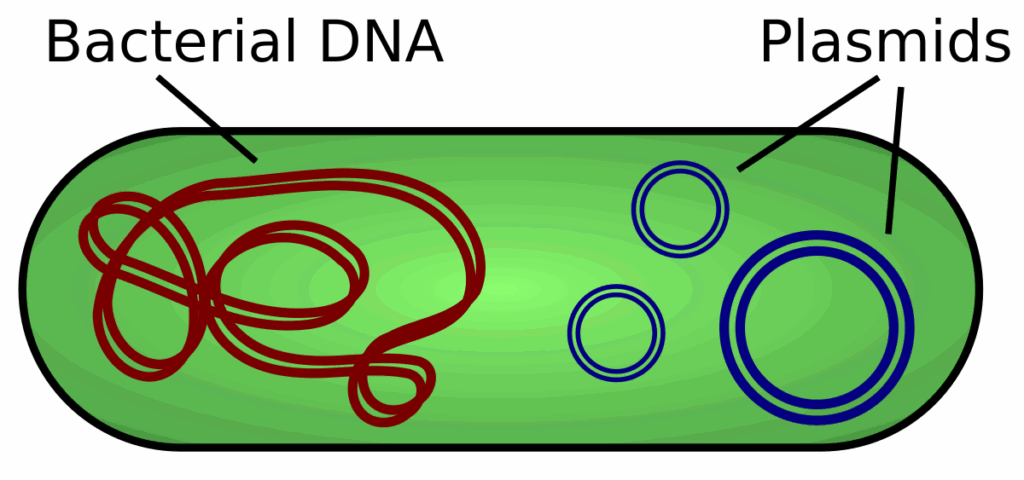
In this article, we break down the top 10 capabilities every plasmid DNA CDMO must have—from high-yield fermentation strategies to global regulatory compliance. For biotech companies navigating IND submissions, clinical manufacturing, and commercial launches, these are the differentiators that separate the average CDMO from a true partner in success.
1. High-Yield, Scalable Fermentation Systems
The starting point for plasmid DNA production is fermentation. A strong plasmid DNA CDMO must demonstrate the ability to produce consistently high yields across multiple scales.
- Bench to Commercial Scale – Capability to run fermentations from 1–2 L (process development) up to 200 L, 500 L, and beyond for clinical/commercial supply.
- High-Density E. coli Strains – Proprietary or optimized strains capable of maintaining plasmid stability and achieving OD >100 in fed-batch modes.
- Fermentation Control – Real-time monitoring of dissolved oxygen (DO), pH, temperature, and glucose feed rates for reproducible growth.
Technical depth:
At the microbial level, plasmid yields can vary significantly depending on strain choice, copy number, and promoter design. A CDMO should be able to engineer strains that minimize plasmid loss, reduce metabolic burden, and optimize plasmid stability in high-cell-density fermentation.
2. Downstream Processing Excellence
Fermentation is only half the story. Purifying plasmid DNA from a dense bacterial culture requires technical mastery.
- Lysis Methods – Alkaline lysis at scale with validated clearance of cell debris, proteins, and endotoxins.
- Chromatography Systems – Ion-exchange, hydrophobic interaction, and affinity chromatography to separate supercoiled plasmid from open circular and linear isoforms.
- Ultrafiltration/Diafiltration (UF/DF) – High recovery concentration and buffer exchange methods.
Why it matters:
Regulators demand plasmid DNA that is primarily supercoiled (>80–90%) with extremely low levels of genomic DNA, RNA, and host proteins. A CDMO with robust downstream purification ensures compliance with global standards.
3. Endotoxin Removal and Analytical Validation
Endotoxin contamination is one of the most serious risks in plasmid DNA manufacturing. Since plasmids are produced in E. coli, removing lipopolysaccharide (LPS) is essential.
- Validated Endotoxin Clearance – Processes must demonstrate <5 EU/mg of plasmid DNA for preclinical use and even lower thresholds for clinical applications.
- Analytical Testing – Limulus Amebocyte Lysate (LAL) assays, qPCR for residual host DNA, SDS-PAGE for proteins.
- Documentation – Regulatory-grade Certificates of Analysis (CoAs) with full impurity profiling.
Technical note:
CDMOs must ensure consistent batch-to-batch clearance, not just one-off validation. Inconsistent endotoxin levels can cause costly delays in regulatory approval.
4. Plasmid DNA Quality and Characterization
Quality isn’t just about removing impurities—it’s about proving that your plasmid is the correct sequence, form, and structure.
- Supercoiled Fraction – Maintaining high levels of supercoiled plasmid DNA is critical for efficient transcription and transfection.
- Sequence Integrity – Next-generation sequencing (NGS) and Sanger sequencing to confirm fidelity.
- Isoform Separation – Analytical methods to quantify open circular and linear forms.
- Residual Impurities – Host RNA, proteins, genomic DNA.
A strong plasmid DNA CDMO provides full characterization packages aligned with ICH, FDA, and EMA guidelines.
5. Expertise in Plasmid Design and Engineering
Not all plasmids are created equal. A good CDMO doesn’t just produce what you give them—they help design better plasmids.
- Backbone Optimization – Selecting origins of replication and promoters suited for high yield.
- Antibiotic-Free Selection Systems – Regulatory agencies are increasingly pushing for marker-free plasmids.
- Copy Number Control – Engineering strains to balance plasmid stability with metabolic burden.
- Custom Constructs – Support for therapeutic payloads, CRISPR systems, and vaccine vectors.
Why it matters:
A CDMO with plasmid design expertise reduces the risk of downstream failure, saving you years of troubleshooting and millions in costs.
6. GMP-Readiness and Regulatory Compliance
For plasmid DNA intended for clinical applications, GMP (Good Manufacturing Practice) compliance is not optional—it is the backbone of credibility and safety. A top-tier plasmid DNA CDMO must be fully aligned with globally recognized quality frameworks, not only to satisfy regulators but also to instill confidence in biotech partners, investors, and ultimately, patients.
- ISO & GMP Certification – Facilities must be designed for GMP-grade plasmid production, with controlled cleanroom environments, validated equipment, and strict adherence to ISO 9001/13485 and ICH Q7 guidelines. This ensures reproducibility, minimizes contamination risks, and creates a controlled environment suitable for clinical-grade plasmids.
- Regulatory Documentation – The best CDMOs provide complete IND/IMPD-enabling documentation, including detailed Chemistry, Manufacturing, and Controls (CMC) sections, validation reports, impurity profiles, and comparability data. These documents are critical for global submissions and often form the most scrutinized part of regulatory filings.
- Batch Records & Traceability – Every step of plasmid manufacturing must be meticulously recorded, with an audit-ready trail that captures raw material sources, process deviations, in-process controls, and final release data. Traceability guarantees that each plasmid lot can be linked back to its complete production history.
- QA/QC Oversight – A robust quality assurance framework must be woven into every stage, from strain bank management through fermentation, lysis, purification, and final release testing. QA systems ensure deviations are captured, investigated, and resolved under strict SOPs, while QC provides the analytical data needed for batch release.
Why it matters: Regulators across the U.S. (FDA), EU (EMA), and Asia (PMDA, NMPA) demand comprehensive GMP-grade data packages. Without a CDMO experienced in global regulatory expectations, biotech companies risk submission delays, failed audits, and expensive rework. In contrast, a GMP-ready partner accelerates timelines and reduces compliance risk, giving your therapy the fastest and safest path to clinic.
7. Analytical & QC Infrastructure
Plasmid DNA production is only as strong as its analytics. Beyond basic yield and purity, regulators and clinical developers expect deep, validated analytical data that demonstrates plasmid integrity, stability, and suitability for therapeutic use. A leading plasmid DNA CDMO must maintain a comprehensive analytical and QC infrastructure to meet these demands.
- HPLC, CE, LC-MS – Advanced chromatographic methods confirm plasmid purity, quantify isoforms (supercoiled vs open circular vs linear), and verify identity. Capillary electrophoresis provides size confirmation, while LC-MS offers molecular weight and sequence-related characterization.
- Spectrophotometry – OD260/280 and OD260/230 ratios remain critical checkpoints for nucleic acid purity, ensuring proteins and organic solvents are removed. A reliable CDMO integrates both rapid spectrophotometric checks and confirmatory high-resolution analytics.
- qPCR/ddPCR – Quantitative PCR and digital droplet PCR allow precise measurement of residual host genomic DNA and RNA contaminants. These assays are highly sensitive and necessary to meet the strict impurity thresholds set by regulators.
- Stability Testing – Accelerated degradation and real-time stability studies help define the shelf-life of plasmid DNA under GMP storage conditions. Stress testing under heat, pH variation, and freeze-thaw cycles simulates real-world handling scenarios.
Beyond testing: A strong CDMO also supplies comparability data, proving consistency across process changes, scale-ups, or site transfers. This data is crucial not only for regulators but also for investors evaluating program risk. In short, a plasmid DNA CDMO without advanced analytics cannot provide the regulatory assurance or scientific confidence clients need to progress into human trials.
8. Scalability and Tech Transfer
What works at 1 liter must also work at 1000 liters. Scalability is one of the greatest challenges in plasmid DNA manufacturing, and a defining feature of the best CDMOs. A partner must demonstrate both the infrastructure and the technical expertise to seamlessly scale processes without compromising yield, purity, or regulatory compliance.
- Process Development (PD) – Early-stage PD teams are responsible for optimizing fermentation, lysis, and purification parameters at small scale. This includes feed strategies, oxygenation, pH control, lysis timing, and chromatography loading. Fine-tuning these conditions upfront reduces risks when scaling up.
- Tech Transfer – A critical CDMO capability is the ability to take a client’s in-house or academic process and reproduce it under controlled, scalable conditions. Tech transfer involves translating lab-scale SOPs into industrial-scale workflows, generating comparability data, and ensuring reproducibility. The best CDMOs provide comprehensive documentation, batch records, and risk assessments during this process.
- Flexible Infrastructure – A world-class plasmid DNA CDMO offers multiple reactor sizes and purification suites, allowing smooth progression from preclinical scale (1–10 L) to clinical scale (50–500 L) and commercial scale (>1000 L). This flexibility prevents clients from having to switch vendors midstream—a transition that often causes costly delays.
Red flag to watch for: CDMOs that cannot show prior successful scale-up case studies. If a partner has never scaled plasmid DNA beyond bench-top, it’s risky to rely on them for GMP supply.
Why it matters: Scalability is not just about physical capacity—it’s about ensuring your therapy can move from discovery to clinical trials and eventually to commercial launch without disruption. A partner skilled in scalability and tech transfer reduces risk, preserves timelines, and saves millions in potential rework.
9. Project Management and Responsiveness
Biotech companies, especially startups, cannot afford delays. A CDMO partner must offer boutique responsiveness.
- Dedicated Project Managers – Single point of contact for updates and decisions.
- Transparent Timelines – Gantt charts, milestone tracking, and real-time reporting.
- Collaborative Culture – Treating clients as partners, not transactions.
Why it matters:
In gene therapy, every month lost to delays means higher burn rates, slower IND submissions, and missed funding opportunities.
10. Global Supply Chain and Distribution
Finally, even the best plasmid DNA is useless without reliable logistics.
- Cold Chain Logistics – Validated shipping at −20°C or −80°C.
- Global Reach – Experience with customs, export regulations, and chain-of-custody.
- Distribution Partnerships – Established networks in the U.S., EU, and Asia.
- Disaster Recovery – Backup systems for power, storage, and supply chain resilience.
A CDMO with global logistics experience ensures your therapy reaches clinics and regulators without disruption.
Choosing the Right Plasmid DNA CDMO
Plasmid DNA remains the backbone of mRNA, gene therapy, and viral vector manufacturing. As demand accelerates in 2025 and beyond, the role of the plasmid DNA CDMO is more important than ever.
The top 10 capabilities every plasmid DNA CDMO must have—from scalable fermentation and endotoxin clearance to GMP compliance and global logistics—are not optional extras. They are the foundations of success.
For biotech innovators, the decision comes down to this: do you choose a generalist CDMO with broad but shallow offerings, or a specialized partner who brings depth, responsiveness, and regulatory clarity?
At Xoligo Biologics, we believe boutique focus is the future of biomanufacturing. By specializing in nucleic acids and microbial systems, we offer clients a pathway to accelerate, de-risk, and deliver therapies that will define the next era of medicine.
Key Takeaways
- Plasmid DNA is essential for mRNA, gene therapy, and viral vector platforms.
- A strong plasmid DNA CDMO must provide high-yield fermentation, downstream excellence, and GMP-grade quality systems.
- Endotoxin removal, regulatory readiness, and global logistics are make-or-break capabilities.
- The right CDMO is not just a vendor—it’s a partner in innovation and clinical success.
Top 25 Plasmid DNA CDMO FAQs
General Basics
- What is a plasmid DNA CDMO?
A Contract Development and Manufacturing Organization (CDMO) that specializes in producing plasmid DNA for biopharma, gene therapy, vaccines, and cell therapy applications. - Why is plasmid DNA important in biomanufacturing?
Plasmids are the molecular blueprints for mRNA synthesis, viral vector production, and CRISPR-based therapies. - How do plasmid DNA CDMOs differ from general CDMOs?
They focus specifically on microbial fermentation, plasmid purification, and analytical systems tailored to plasmid DNA rather than proteins or antibodies.
Technical & Manufacturing
- What scales of plasmid DNA production are available?
Ranging from milligram research-grade plasmids to multi-gram GMP-grade lots for clinical and commercial use. - What host strains are commonly used for plasmid fermentation?
Typically E. coli strains engineered for stability, high yield, and low endotoxin content. - What is supercoiled plasmid DNA and why does it matter?
Supercoiled is the active isoform required for efficient transcription and transfection; regulators demand >80–90% supercoiled fraction. - How is plasmid DNA purified at scale?
Through alkaline lysis, chromatography (ion-exchange, affinity), and ultrafiltration/diafiltration. - How do CDMOs remove endotoxins from plasmid DNA?
Validated purification steps with chromatography and filtration ensure <5 EU/mg endotoxin levels, with CoA confirmation. - Can plasmid CDMOs produce antibiotic-free plasmids?
Yes, many CDMOs now offer selection-marker-free systems to meet evolving regulatory preferences. - How do CDMOs ensure plasmid sequence integrity?
Using NGS, Sanger sequencing, restriction mapping, and analytical assays to verify plasmid fidelity.
GMP & Regulatory
- What does GMP plasmid DNA mean?
Plasmid manufactured under Good Manufacturing Practices, with validated processes, QA oversight, and regulatory documentation for clinical use. - When do I need GMP plasmid DNA instead of research-grade?
GMP is required for IND/IMPD filings and any material intended for use in human trials. - What regulatory documents does a plasmid DNA CDMO provide?
Certificates of Analysis, batch records, comparability data, and CMC documentation for IND/CTA submissions. - How do CDMOs support IND or IMPD filings?
By supplying analytical data, stability studies, process validation reports, and CMC packages aligned with FDA/EMA standards. - What global standards must plasmid DNA CDMOs follow?
FDA (U.S.), EMA (Europe), PMDA (Japan), and ICH Q7/Q5A guidelines for DNA-based products.
Project Management & Logistics
- What is the typical timeline for a plasmid DNA CDMO project?
Discovery-grade plasmids: 4–8 weeks. GMP plasmids: 6–12 months depending on complexity and capacity. - How do CDMOs handle tech transfer?
By reproducing processes from client labs, validating them at pilot scale, and scaling up with comparability studies. - What project management should I expect from a plasmid DNA CDMO?
Dedicated PMs, milestone tracking, transparent timelines, and proactive communication. - How is plasmid DNA stored and shipped?
Frozen at −20°C or −80°C with validated cold-chain logistics, ensuring stability and integrity during transport. - Can plasmid DNA be shipped globally?
Yes, but CDMOs must have experience with customs, permits, and regulatory requirements for cross-border biologics.
Innovation & Future Trends
- What innovations are shaping plasmid DNA manufacturing in 2025?
CircRNA templates, saRNA plasmids, antibiotic-free selection, and improved high-copy vectors. - Are CDMOs developing continuous fermentation for plasmid DNA?
Some are experimenting with perfusion-like systems, but fed-batch remains standard for GMP. - Can plasmid DNA CDMOs also support viral vector or mRNA programs?
Yes, since plasmids are often the starting material for AAV, lentivirus, and mRNA synthesis. - Do plasmid CDMOs provide fill-finish services?
Some do, but many partner with specialized drug product CDMOs for vialing, LNP formulation, or final packaging. - How do I choose the right plasmid DNA CDMO?
Look for proven experience in high-yield fermentation, GMP compliance, regulatory support, and strong project management.