
Fermenting the Future—From µg Bench Lots to Metric-Ton Commercial Supply
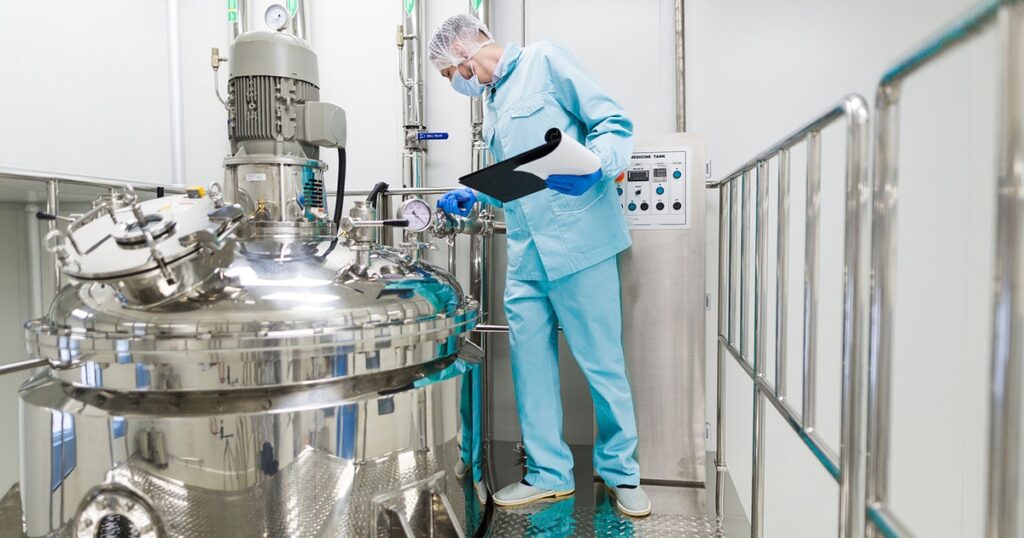
Precision fermentation is more than a tool at Elise Biopharma—it’s a flagship competency woven through every business line we serve: therapeutics, food tech, industrial biocatalysis, sustainable chemicals, and advanced biomaterials. By marrying synthetic-biology strain design with fully instrumented bioreactor fleets, we translate wild-type and recombinant microbes into predictable, regulator-ready production workhorses—and we scale them without the usual yield-drop drama.
Host & Pathway Diversity—Your Molecule, Your Chassis
| Kingdom / Class | Example Strains & Edits | Best-Fit Products |
|---|---|---|
| Gram-Negative Bacteria | E. coli BL21(DE3), K-12 ΔendA/ΔrecA, CRISPR knock-outs for endotoxin | Recombinant proteins, plasmid DNA, specialty polysaccharides |
| Gram-Positive Bacteria | Bacillus subtilis 168 & WB800, Corynebacterium glutamicum L-strain | GRAS enzymes, amino acids, vitamins |
| Yeasts | Pichia pastoris OCH1–/– (humanised glycans), Saccharomyces cerevisiae ΔPDC/aroma pathways | Animal-free dairy proteins, fine chemicals, flavour compounds |
| Filamentous Fungi | Aspergillus niger glucoamylase OE, Trichoderma reesei CBH/cellulase suite | High-cellulase cocktails, organic acids |
| Obligate / Facultative Anaerobes | Clostridium ljungdahlii syngas fixation, Lactobacillus plantarum CRISPRi pathways | Solventogenic monomers, post-biotic actives |
| Designer Consortia | AI-optimised two-strain co-culture (producer + recycler) | Pathways requiring toxic-intermediate removal |
Fermentation Infrastructure—Bench to 14 500 L (and Everything Between)
| Scale Tier | Working Volume | Core Features | Typical Output |
|---|---|---|---|
| Discovery Pods | 2–10 L single-use, ×12 | Auto-feed, off-gas MS, DoE-driven | 120 DoE runs / month |
| Pilot Suites | 20–100 L glass/stainless | BSL-2 ready, perfusion or fed-batch | 1–10 kg protein / batch |
| Clinical / Food-Grade GMP | 300 L, 1 000 L, 3 000 L SS | ISO-7, segregated flows, CIP/SIP | 5–50 kg lots |
| Commercial Trains | 5 000 L–14 500 L SS | Redundant utilities, aerobic/anaerobic lines | 100 kg–metric-ton lots |
All suites are HEPA-filtered, feature electronic batch records (Part 11), and pipe data into a plant-wide historian for real-time trending and deviation alerts.
Digital Process Control & PAT
- PLC/SCADA 3.0—cascading PID loops for pH, pO₂, agitation, back-pressure, antifoam, and feed.
- Raman & FTIR Probes—quantify extracellular glucose, glutamate, acetate, ethanol, and key aromatics every 60 seconds.
- Capacitance Biomass & Off-Gas MS—OUR/CTR feedback keeps O₂ transfer coefficient within ±5 % of spec.
- Digital Twins—cloud models predict k_La, heat load, foaming onset, and nutrient exhaustion, shortening scale-up by 30 %.
- 24 / 7 Command Center—fermentation engineers and data scientists resolve alarms inside two hours.
Downstream & Finishing Toolbox
- Disruption – high-pressure homogeniser (20 kpsi) or bead-mill for tough Gram-positive walls.
- Clarification – disc-stack centrifuge, depth and 0.2 µm microfiltration.
- Concentration / Exchange – TFF/UF-DF up to 10 m² cassettes.
- Chromatography – ion-exchange, mixed-mode, HIC, affinity, SMB or PCC continuous trains.
- Final Forms – bulk liquid (–20 °C or 2 – 8 °C), lyophilised cake, spray-dried powder, micro- or nano-encapsulated beadlets.
- Aseptic Fill – ISO 5 robotic isolators, 100 % in-line weight check for diagnostic enzymes or Phase-I biologics.
Analytics & QA
- Rapid UHPLC, LC-MS/MS, MALDI, CE-SDS—on-site, no outsourced delay.
- qPCR & ELISA Panels—host-cell DNA/protein, plasmid copy, endotoxin (< 0.05 EU mg⁻¹ achievable).
- Stability – ICH Q1A real-time & accelerated; custom high-shear, high-salt, high-temp stress.
- Certs & Compliance – ISO 13485, ISO 9001, FDA-registered for IVD enzymes; full GMP documentation with CAPA/change control.
Key Application Lanes
- Therapeutic & Diagnostic Enzymes—ERT enzymes, CRISPR nucleases, high-purity IVD reagents.
- Alt-Protein & Food Ingredients—β-lactoglobulin analogs, heme proteins, dairy casein, aroma esters.
- Industrial Biocatalysts—cellulases, lipases, nitrile hydratases, solvent-stable oxidases.
- Biomaterials & Specialty Chemicals—PHA monomers, bio-nylon diamines, sustainable dyes.
- Custom SynBio Projects—AI-guided pathway rewiring, multi-auxotroph containment strains, carbon-negative syngas fermentations.
Engagement Models
- Explore & Rank – 12-week strain-plus-DoE program delivers top-3 chassis, full kinetic data, and techno-economic model.
- Bench-to-Batch – Lab-scale optimisation → 300-L GMP lot in ≤ 9 months with CMC package.
- Capacity-Secure Lease – Block 5 000–14 500 L train for 6-36 months; ideal for post-launch demand.
- Pilot Quick-Turn – Pay-as-you-go 20–100 L slots for start-ups hitting Series-A milestones.
Why Elise for Precision Fermentation?
Breadth of Hosts – Gram-negative, Gram-positive, yeast, fungi, anaerobes, and engineered consortia under one roof.
Data Confidence – Digital twins and PAT shrink variability; batch-to-batch CV for critical CQAs typically < 5 %.
Regulatory Head-Start – IND, DMF, and GRAS dossiers authored in-house; 100 % pass rate on last 15 regulatory audits.
Sustainability Built-In – 100 % renewable electricity by Q3 2025; solvent-recovery skid saves 60 tons MeOH annually; residual biomass converted to animal feed or biochar for carbon capture.
Transparent Economics – Live dashboard converts feed, labor, and utility burn into $ / kg so you can meet boardroom cost targets early
At the core of our precision-fermentation value proposition lies an obsession with data granularity and reproducibility. Every fermentor—from the 2-litre discovery pod to the 14 500-litre commercial train—is wired into the same historian backbone, streaming second-by-second feeds of pH, pO₂, OUR, CTR, torque, pressure, and foaming events. This deluge of information is not simply archived; it is continuously parsed by machine-learning models that have been trained on more than 10 000 legacy runs. The models rank-order parameters by influence on titer and purity, flag drift before it manifests, and even suggest proactive set-point tweaks mid-run—sometimes boosting final yield by double-digit percentages without human intervention.
That same infrastructure underpins our sustainability metrics. Utility metering quantifies steam, chilled water, and compressed air in kWh equivalents, allowing our scientists to design fed-batch profiles that cut energy draw by up to 18 % compared with industry baselines. Downstream, real-time UV and conductivity sensors trigger valve shifts that sharpen pool purity and reduce resin load, while solvent-recovery skids recycle 60 tons of methanol annually. Because quality control is embedded—not bolted on—every major CQA is trended lot-to-lot, giving regulatory reviewers clean, audit-ready data trails. Clients can log into a secure portal to watch their batch in flight, download deviation reports, or pull cost-of-goods snapshots updated every hour.
This radical transparency, paired with our capacity to flex between kilo-scale pilot lots and metric-ton commercial campaigns, means sponsors never have to change vendors mid-journey. In short, Elise Biopharma isn’t just fermenting microbes—we’re fermenting certainty, speed, and scalable economics into your programme’s DNA.
Let’s Ferment Something Extraordinary! Contact us today!
Contact our team at: info@elisebiopharma.com