
Introduction: Why Fusion Matters
Biologics are entering a new era—one not defined solely by monoclonal antibodies but by engineered fusion constructs. The antibody was the great engine of the last two decades, dominating pipelines across oncology, autoimmunity, and rare disease. But today, as pipelines diversify, the limitations of conventional antibodies are increasingly clear.
Fusion proteins—Fc-fusions, albumin fusions, compact scFv-Fc minibodies, and multi-domain constructs—represent the cutting edge of therapeutic engineering. They provide new ways to control half-life, enhance stability, improve biodistribution, and engage multiple targets simultaneously.
At Elise Biopharma, we see fusion constructs not as side experiments but as the backbone of next-generation biologics. They are modular, tunable, and increasingly manufacturable. And crucially, they are supported by advances in computational protein design, Fc variant engineering, and high-throughput developability testing.
Before diving into the specific classes, let’s define some key terms that often create confusion in the biologics ecosystem.
Key Terms and Concepts
Fc Region (Fragment Crystallizable):
The tail region of an antibody (IgG) responsible for engaging immune effector functions (like ADCC and CDC) and interacting with Fc receptors (FcγR) and the neonatal Fc receptor (FcRn), which extends half-life by recycling IgGs back into circulation.
Fc-Fusion Protein:
A biologic where a therapeutic payload—cytokine, receptor, enzyme, growth factor, or toxin—is genetically fused to the Fc region. Provides half-life extension, stability, manufacturability, and often effector function.
Albumin Fusion:
A therapeutic construct where a biologic payload is fused directly to human serum albumin or engineered albumin variants, leveraging albumin’s natural long half-life (~19 days) and tissue transport roles.
scFv (Single-Chain Variable Fragment):
A compact antibody fragment made by linking the variable regions of the heavy (VH) and light (VL) chains with a peptide linker. Retains antigen specificity but lacks Fc.
Minibody (scFv-Fc):
A hybrid construct combining an scFv with an Fc region. Gains stability and half-life from Fc, while retaining compact size and improved tissue penetration from the scFv.
Bispecific Antibody (bsAb):
An engineered antibody or antibody-like molecule that can bind two distinct targets simultaneously. Bispecifics are often built on scFv or Fc fusion scaffolds.

Fc-Fusion Proteins: More Than a Half-Life Hack
The most established of fusion constructs, Fc-fusion proteins are already validated in the clinic (etanercept, abatacept, romiplostim). At their core, Fc-fusions address a fundamental pharmacokinetic problem: fragile proteins (cytokines, growth factors, receptors) degrade or clear rapidly in vivo. By fusing them to an Fc domain, developers achieve:
- Half-life extension via FcRn recycling (binding to the neonatal Fc receptor prevents lysosomal degradation).
- Improved stability and solubility thanks to the Fc scaffold.
- Effector function tuning—Fc can recruit immune cells (ADCC) or be silenced with engineered variants (IgG4, aglycosylated Fc).
- Streamlined purification using protein A/G chromatography, a regulatory standard.
Classes of Fc-Fusions
- Cytokine-Fc:
IL-2-Fc, IL-7-Fc, GM-CSF-Fc. These enhance immune modulation but without the rapid clearance that plagues cytokines. Example: Nemvaleukin alfa (IL-2 variant-Fc) designed for selective T cell engagement. - Growth Factor-Fc:
FGF-Fc, VEGF-Fc. Extending growth factor stability enables regenerative medicine applications. Cutting edge: engineered VEGF-Fc fusions for wound healing and ischemic tissue repair. - Receptor-Fc Decoys:
Classic example: etanercept (TNFR-Fc), approved for rheumatoid arthritis. Receptor-Fc decoys neutralize pathogenic ligands, a proven therapeutic class. - Toxin-Fc Fusions:
Engineered toxins fused to Fc for oncology, improving delivery and manufacturability. Still largely preclinical but gaining interest for targeted cytotoxicity.
Cutting-Edge Fc Engineering
The Fc itself is no longer static. Researchers are developing Fc variants to fine-tune therapeutic properties:
- Silenced Fc domains (removing ADCC/CDC to avoid off-target cytotoxicity).
- Xtend™ mutations (M252Y/S254T/T256E) that increase FcRn affinity and extend half-life even further.
- Afucosylated Fc (via glycoengineering) to boost ADCC for oncology.
- Bispecific-ready Fc scaffolds that allow asymmetric pairing.
Implication: The Fc region is a programmable platform, not just a stabilizer. CDMOs with deep Fc expertise can design with intent—choosing IgG1, IgG2, IgG4, or engineered Fc variants to match therapeutic goals.
Albumin Fusions: Borrowing Nature’s Carrier
Human serum albumin (HSA) is the most abundant protein in plasma and has a half-life of ~19 days, largely because it binds FcRn for recycling. Fusing biologic payloads to albumin co-opts this property for half-life extension.
Advantages of Albumin Fusions
- Extended serum half-life—comparable to IgG antibodies.
- Reduced immunogenicity—albumin is well tolerated and abundant.
- Tissue targeting—albumin interacts with gp60, SPARC, and FcRn receptors, enabling transport across endothelia and into tumors.
- Stability—albumin protects fragile peptides and proteins.
Applications
- Hormones and Peptides: GLP-1-albumin fusions (like albiglutide, marketed as Tanzeum®) for diabetes.
- Cytokines: IL-10-albumin for chronic inflammation (preclinical).
- Clotting Factors: Albumin fusion to extend half-life of coagulation proteins.
- Oncology Immunotherapy: Albumin fusions delivering cytokines selectively to tumors via albumin’s natural tumor accumulation.
Design Strategies
- Direct fusion: gene-level fusion of payload to albumin.
- Albumin-binding domains/peptides: indirect method, often more flexible.
- Engineered albumin variants: mutations to alter receptor affinity, solubility, or biodistribution.
Frontier research: Albumin hitchhiking strategies where antibodies or cytokines are linked to albumin-binding peptides, enabling temporary complexing with circulating albumin without permanent fusion.
Host Systems for Albumin Fusions
- CHO cells: gold standard for clinical-grade albumin fusions, especially glycosylated payloads.
- Pichia pastoris: efficient for secreted albumin fusions; growing in acceptance.
- E. coli: viable for albumin fusions expressed as inclusion bodies, followed by refolding.
Challenge: albumin’s size (~66 kDa) complicates folding and secretion. CDMOs must optimize codon usage, linker design, and folding/refolding protocols to ensure yield and bioactivity.
Minibodies & Compact Fusions: Size Matters
Conventional antibodies are large (~150 kDa). This can limit tissue penetration, particularly in solid tumors or CNS indications. Compact antibody formats like scFv-Fc minibodies or peptide-Fc fusions aim to retain antigen specificity and Fc stability while reducing molecular size.
scFv-Fc (Minibodies)
- Definition: Single-chain variable fragment (scFv) fused to Fc.
- Advantages:
- Retains antigen binding specificity.
- Gains FcRn recycling and Fc stability.
- Smaller than full IgG (~80–100 kDa), improving penetration.
- Applications:
- Oncology (checkpoint inhibitors, tumor-targeting agents).
- Neurobiology (BBB-penetrant minibodies under development).
- Bispecifics (scFv-Fc fusions can be paired to create dual binders).
Case study: BiTEs (bispecific T-cell engagers) are often built from scFv backbones, though without Fc. The scFv-Fc format can add manufacturability and half-life.
Peptide-Fc Fusions
- Definition: Short therapeutic peptides genetically fused to Fc.
- Why? Peptides alone are rapidly cleared (minutes to hours).
- Advantages:
- Half-life extension to days/weeks.
- Easier purification via Protein A/G.
- Fc dimerization can enhance functional avidity.
- Applications:
- Hormone mimetics (GLP-1, PTH, GnRH analogues).
- Antimicrobial peptides stabilized for systemic use.
- Peptide-drug conjugates (payload linked to peptide-Fc).
Engineering Challenges in Compact Fusions
- Aggregation: scFvs are prone to misfolding. Solution: linker optimization, disulfide mapping, computational folding models.
- Orientation: Fc may sterically hinder peptide activity. Requires spacer design and in silico screening.
- Immunogenicity: small peptides may expose new epitopes. Regulatory teams demand rigorous immunogenicity testing.
Frontier research: Brain-penetrant minibodies using scFv-Fc constructs engineered with transferrin receptor binders, enabling transport across the blood–brain barrier.
Part II
We’ve explored three foundational pillars of fusion biologics:
- Fc-fusion proteins as half-life extenders and effector-function modulators.
- Albumin fusions borrowing nature’s most stable serum carrier.
- Minibodies and compact Fc fusions engineered for penetration and modularity.
Each class shows how fusion constructs are modular, programmable, and manufacturable at scale.
In Part II, we’ll dive into:
- Multi-domain fusions—tandems, cleavable linkers, dual payloads.
- Manufacturing considerations—from codon optimization to GMP purification.
- Analytical and regulatory depth—why these constructs require unique CMC foresight.
- Market landscape & strategic outlook—how fusion biologics are reshaping the CDMO and pharma ecosystem.
Fusion biologics are not incremental—they are transformational. And the companies who master them will shape the future of therapeutics.

Multi-Domain Fusions: Complexity as a Therapeutic Design Tool
In traditional drug development, complexity was often considered a liability. The more domains, linkers, or engineered modules a biologic contained, the higher the perceived risk of misfolding, instability, or regulatory rejection. But the landscape has shifted. Multi-domain fusions are no longer liabilities—they are opportunities.
By deliberately combining two or more functional modules in a single biologic, developers can merge therapeutic activities, achieve synergistic pharmacology, and reduce the need for combination regimens.
Defining Multi-Domain Fusions
A multi-domain fusion protein integrates at least two distinct therapeutic modules (cytokines, receptors, peptides, antibodies, enzymes) into one engineered construct. They may be arranged in tandem, linked via cleavable sequences, or fused asymmetrically to Fc or albumin scaffolds.
Classes of Multi-Domain Fusion Designs
- Tandem Cytokine Fusions
Example: IL-2 + IL-15 fused with Fc for dual immune stimulation. These molecules can simultaneously expand effector T cells and NK cells while modulating Treg responses. - Cleavable Linker Constructs
Protease-sensitive linkers allow payload release in specific microenvironments (e.g., tumor acidic conditions, protease-rich sites of inflammation). - Dual-Function Hybrids
A receptor-Fc fusion that simultaneously acts as a decoy receptor while carrying a therapeutic cytokine domain. Think of it as a biologic with built-in offense and defense. - Multispecific Fusions
Integrating targeting domains (scFvs or nanobodies) with effector cytokines or ligands in one construct. Imagine an scFv that directs IL-12 specifically to the tumor microenvironment, minimizing systemic toxicity.
Technical Challenges
- Folding Consistency: More domains = more risk of aggregation. Requires computational modeling and iterative wet lab validation.
- Balance of Activity: Ensuring both domains retain potency without one dominating or destabilizing the other.
- Manufacturability: Multi-domain constructs often stress expression hosts. Codon usage, secretion signals, and vector architecture must be optimized.
- Analytics: Regulators demand dual-potency testing, stability data for each domain, and full structural characterization.
At Elise Biopharma, we’ve developed workflows that combine in silico folding models, directed evolution libraries, and stability screening to transform complex designs into manufacturable products.
Manufacturing Considerations: From DNA to Drug Substance
The brilliance of a fusion biologic design means little if it cannot be manufactured. CDMOs like Elise Biopharma exist to close this gap: translating ideas into industrial reality.
Step 1: Vector and Gene Design
- Codon Optimization: Aligning codon usage with host cell preferences (CHO, HEK, E. coli, Pichia).
- Signal Peptides: For secreted constructs, leader sequences must be tailored to payload.
- Linker Engineering: Flexible (Gly-Ser) vs. rigid (α-helical) linkers change folding and orientation.
Step 2: Host Selection
- CHO cells: Best for glycosylated fusions (Fc, albumin, complex cytokines).
- Pichia pastoris: Ideal for high-yield secreted proteins, especially VLP-like constructs.
- E. coli: Fast, scalable, cost-effective; often requires refolding.
- HEK293: Flexible for research and rapid feasibility, but less common in commercial GMP.
Decision Point: The host defines the regulatory path, yield, and cost of goods.
Step 3: Upstream Process Development
- Fed-Batch Fermentation: The gold standard for antibody-like fusions.
- Perfusion Cultures: For sensitive cytokine-fusions where continuous harvest preserves activity.
- Methanol Induction (Pichia): Still powerful but must be carefully controlled for product quality.
Step 4: Downstream Processing
- Affinity Capture: Protein A/G for Fc-fusions, His-tags for microbial constructs.
- Ion-Exchange Chromatography: To remove charge variants and isoforms.
- Hydrophobic Interaction Chromatography (HIC): Excellent for removing aggregates.
- SEC-MALS Polishing: To confirm monomeric purity and molecular weight.
Step 5: Formulation & Stability
Fusion proteins often challenge formulators:
- High Viscosity at therapeutic concentrations.
- Aggregation during freeze–thaw cycles.
- Protease Sensitivity for peptide-fusions.
Solutions include novel excipients (trehalose, arginine), lyophilization, and rational buffer optimization.
Analytical & Regulatory Depth
Fusion biologics sit in a regulatory gray zone. They are not classical mAbs, not conventional proteins, and not gene therapies. This makes analytical clarity and regulatory foresight non-negotiable.
Analytical Expectations
- Identity: Confirming genetic sequence and intact protein.
- Purity: SEC-MALS, SDS-PAGE, HPLC.
- Potency: Functional assays for each domain (dual potency if multi-domain).
- Immunogenicity Risk: In silico T-cell epitope mapping + in vitro PBMC assays.
- Stability: Stress studies (pH, heat, agitation, freeze–thaw).
Regulatory Considerations
- CMC Packages (IND/IMPD): Must detail manufacturing, comparability, and stability.
- Dual-Activity Constructs: Regulators will ask: “Which domain drives efficacy, and what are the off-target risks?”
- Comparability Studies: When moving from pilot → GMP, regulators demand proof of equivalence.
- Global Divergence: FDA may accept Fc fusion precedents; EMA often demands more detailed immunogenicity modeling.
Why CDMO Partnership Matters: The regulatory burden is too high for small biotechs to carry alone. Elise integrates analytics, QA/QC, and regulatory alignment into every program.
Market Landscape & Strategic Outlook
The Numbers Behind Fusion Biologics
- Fc-Fusions: Already >10 approved drugs on the market (etanercept, abatacept, romiplostim, etc.).
- Albumin Fusions: Growing (albiglutide, eftrenonacog alfa).
- Bispecifics/Minibodies: Over 100 clinical trials ongoing.
- Multi-Domain Constructs: Early-stage but gaining massive venture investment.
Strategic Drivers
- Pipeline Diversification: Pharma can’t bet everything on mAbs.
- Orphan & Rare Disease: Fusion proteins allow smaller, more targeted markets to be viable.
- Oncology & Immunotherapy: Fusion constructs engage immunity with precision.
- Sustainability: Microbial hosts (Pichia, E. coli) lower COGS, critical for global access.
Why Elise Biopharma?
In a crowded CDMO space, Elise Biopharma differentiates itself by:
- Microbial + Mammalian Mastery – CHO for Fc fusions, Pichia/E. coli for microbial constructs.
- Dual Facilities – Cambridge, MA (innovation hub) and Montreal, Canada (scale-up & GMP).
- Integrated Analytics – SEC-MALS, MS, DSC, SPR, bioassays.
- Strain Development + IP – CRISPR strain engineering plus freedom-to-operate support.
- Speed + Scale – Feasibility in weeks, IND readiness in <12 months.
- Complex Biologics Expertise – Fc-fusions, albumin-fusions, minibodies, bispecifics, multi-domain designs.
- Regulatory Alignment – IND/IMPD CMC packages built into every workflow.
- Partnership Culture – Scientists-to-scientists collaboration, not faceless outsourcing.
Fusion as the Future Backbone!
Fusion proteins are not incremental add-ons to the biologics industry. They are the future backbone of immunotherapy, regenerative medicine, and rare disease biologics.
- Fc fusions stabilize fragile payloads and extend life.
- Albumin fusions borrow nature’s most reliable carrier.
- Minibodies compress antibodies into tissue-penetrant formats.
- Multi-domain fusions unlock combinatorial biology in one molecule.
The CDMOs who master these technologies are not just manufacturers—they are strategic gatekeepers of the next generation of medicine.
At Elise Biopharma, we’ve built the expertise, facilities, and culture to lead this transition. Fusion biologics demand precision, foresight, and bold innovation. That is what we deliver.
Because design without manufacturability is just theory.
And innovation without scale never reaches patients.
Fc-fusions. Albumin-fusions. Minibodies. Multi-domain biologics.
Designed. Developed. Delivered. At scale!!
Top 20 Fc-Fusion CDMO FAQs
1. What is an Fc-fusion protein?
An Fc-fusion protein is a therapeutic molecule in which a biologic payload (such as a cytokine, growth factor, receptor, or peptide) is genetically fused to the Fc (fragment crystallizable) region of an antibody. This fusion improves half-life, stability, manufacturability, and sometimes immune effector functions.
2. Why are Fc-fusion proteins important in drug development?
Fc-fusion proteins extend the serum half-life of fragile biologics, enable simpler purification via Protein A/G, and provide modular scaffolds for immune engagement. They are already validated with marketed drugs such as etanercept (Enbrel®) and abatacept (Orencia®).
3. What role do CDMOs play in Fc-fusion protein development?
CDMOs provide end-to-end support: gene/vector design, host cell line development, fermentation, purification, analytics, and GMP manufacturing. They also ensure regulatory compliance and comparability across scales.
4. Which hosts are commonly used for Fc-fusion production?
- CHO cells – gold standard for glycosylated Fc-fusions.
- HEK293 – rapid feasibility and research runs.
- Pichia pastoris – secreted Fc-fusions, cost-effective microbial platform.
- E. coli – inclusion bodies with refolding, used for certain fusions.
5. What are the biggest challenges in Fc-fusion manufacturing?
- Aggregation due to improper folding or linker design.
- Glycosylation heterogeneity impacting activity or PK.
- Balancing payload activity with Fc stability.
- Maintaining dual functionality in complex constructs.
6. How do Fc-fusion proteins improve half-life?
The Fc domain binds to the neonatal Fc receptor (FcRn) inside cells. This prevents lysosomal degradation and recycles the protein back into circulation, extending half-life from hours to days or weeks.
7. Can Fc-fusions be engineered for specific effector functions?
Yes. CDMOs can design Fc variants to:
- Enhance ADCC (e.g., afucosylated Fc).
- Reduce effector function (IgG4, silenced Fc).
- Extend half-life (Xtend™ mutations for FcRn binding).
8. What types of therapeutic payloads are fused to Fc?
- Cytokines (IL-2, IL-7, GM-CSF)
- Growth factors (FGF, VEGF)
- Receptors (TNFR, CTLA4)
- Peptides/hormones (GLP-1 analogues)
- Toxins (for oncology applications)
9. What are examples of approved Fc-fusion drugs?
- Etanercept (Enbrel®): TNFR-Fc for autoimmune disease.
- Abatacept (Orencia®): CTLA4-Fc for rheumatoid arthritis.
- Romiplostim (Nplate®): Fc-peptide fusion for thrombocytopenia.
- Aflibercept (Eylea®): VEGF receptor-Fc fusion for macular degeneration.
10. How does linker design impact Fc-fusion performance?
Linkers (flexible Gly-Ser vs. rigid α-helical) determine payload orientation, folding, and activity. Poorly designed linkers can cause aggregation, steric hindrance, or loss of function.
11. What analytical tests are critical for Fc-fusion proteins?
- SEC-MALS for purity and aggregation.
- Mass spectrometry for glycan profiling.
- SPR/BLI for binding kinetics.
- DSC for thermal stability.
- Cell-based potency assays for bioactivity.
12. How do regulators view Fc-fusion proteins?
Fc-fusions are treated as biological products under FDA CBER and EMA biologics regulations. Regulators focus on CMC packages, comparability studies, and immunogenicity risk assessments.
13. Can microbial hosts (E. coli, Pichia) produce Fc-fusion proteins?
Yes, but with caveats. E. coli often requires refolding from inclusion bodies, while Pichia can secrete Fc-fusions directly. Both are useful for feasibility or cost-sensitive programs, but mammalian CHO is most common for clinical development.
14. What is the role of glycosylation in Fc-fusion proteins?
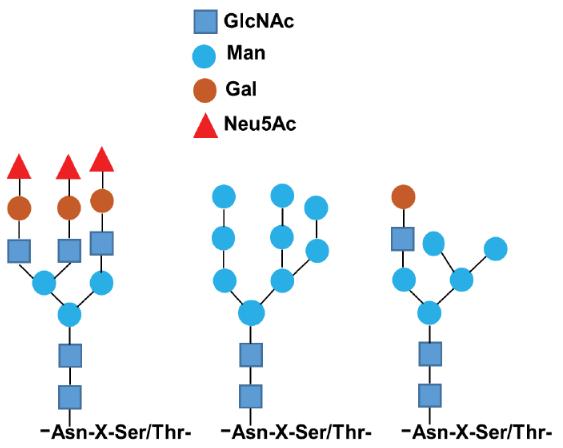
Fc glycosylation impacts stability, solubility, Fc receptor binding, and immune effector functions. CDMOs with glycoengineering capability can tune glycan profiles to optimize pharmacology.
15. How long does it take to move an Fc-fusion from design to IND?
Timelines vary, but with experienced CDMOs:
- Feasibility data in 4–6 weeks.
- Pilot production in 3–4 months.
- IND-ready GMP batches in ~12 months.
16. What scale of production do Fc-fusion CDMOs support?
Ranges from 1–10 L research runs to 2,000+ L GMP bioreactors. The best CDMOs offer seamless scalability without requiring tech transfer between providers.
17. How are Fc-fusions purified at GMP scale?
Typical workflows:
- Protein A/G capture.
- Low pH viral inactivation.
- Ion exchange chromatography (CEX/AEX).
- Polishing with SEC or HIC.
18. Are Fc-fusions more immunogenic than antibodies?
Not inherently, but novel linkers or payloads may expose epitopes. Regulators expect immunogenicity risk assessment, including in silico epitope mapping, PBMC assays, and clinical monitoring.
19. How do Fc-fusions compare to albumin fusions?
Both extend half-life via FcRn recycling. Fc-fusions add effector function potential and easier purification. Albumin fusions may provide superior tissue distribution and lower immunogenicity for certain applications.
20. Why choose Elise Biopharma as your Fc-fusion CDMO partner?
Because we provide specialized expertise in Fc-fusion design, advanced analytics, dual facilities (Cambridge + Montreal), and seamless scalability. We don’t treat fusions as an afterthought—we engineer them as the future backbone of biologics.
Looking for an Fc-fusion CDMO? Look no further!
Read more about our Fc-fusion capabilities here -> Fc Fusion Bi-specific Bioligics
Email our team at info@elisebiopharma.com