
Introduction: Antibody Libraries, Phage Scaffolds, and Therapeutic Discovery Pipelines
Antibodies are the cornerstone of modern biologics. From checkpoint inhibitors and bispecifics to antibody-drug conjugates (ADCs), they dominate the therapeutic pipeline across oncology, autoimmune disease, infectious disease, and rare disorders. Yet the success of any antibody program hinges on the ability to discover high-affinity, high-specificity binders—molecules that can survive the gauntlet of preclinical validation, regulatory scrutiny, and clinical performance.
Among the many discovery platforms available, phage display remains unmatched in its versatility and power. By presenting vast libraries of peptides or antibody fragments on the surface of filamentous bacteriophages, researchers can interrogate target interactions at an unprecedented scale. The Nobel Prize in Chemistry (2018) recognized this contribution, underscoring how phage display fundamentally reshaped drug discovery.

But for biotech companies today, especially those navigating competitive pipelines and compressed timelines, the challenge is not just science—it’s execution at scale. This is where phage display CDMOs (Contract Development and Manufacturing Organizations) come into play. They provide the infrastructure, regulatory compliance, and intellectual property strategy needed to transform phage display from a research tool into a clinical engine of antibody discovery.
In this blog, we’ll explore why phage display CDMOs are becoming pivotal to next-gen antibody pipelines, what capabilities matter most, and how the right partner can accelerate discovery while de-risking development.
The Expanding Demand for Antibody Therapeutics
Antibodies dominate global biologics. In 2024, monoclonal antibodies represented over 20 of the top 25 best-selling drugs worldwide, and the market for therapeutic antibodies is projected to exceed $300 billion by 2030.
But the field is diversifying:
- Bispecific Antibodies are being developed for T-cell redirection and dual-target engagement.
- Nanobodies/VHHs are expanding into indications requiring tissue penetration and stability.
- ADCs link antibodies with potent cytotoxins, demanding exquisite specificity.
In every case, the pipeline begins with the same bottleneck: finding the right antibody sequence with the right binding properties. Phage display is uniquely suited to deliver this, provided it is deployed with industrial-scale expertise.
Phage Display as a Discovery Engine
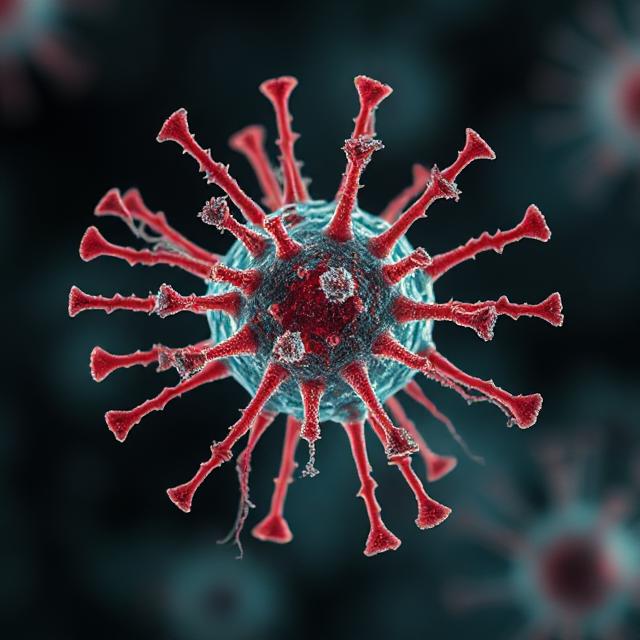
Phage display operates on a deceptively simple principle: genetically fusing peptides or antibody fragments to bacteriophage coat proteins, thereby displaying them on the viral surface. The result is a direct link between phenotype (binding) and genotype (sequence), which allows vast libraries to be screened in iterative rounds of selection (biopanning).
Key Features of Phage Display
- Library Diversity: 10⁷ to >10¹¹ unique clones can be explored.
- Modality Flexibility: Supports scFvs, Fabs, nanobodies, peptides, and engineered scaffolds.
- Stringency Control: Binding and washing conditions can be tuned to refine affinity and specificity.
- Rapid Iteration: Cycles of selection, amplification, and sequencing accelerate discovery.
In short: phage display is the workhorse of antibody discovery. Yet executing it well—at scale, with regulatory foresight—is beyond the scope of most individual biotechs.
The CDMO Advantage: Why Outsourcing Phage Display Matters
A biotech startup may have a brilliant target idea but lack the infrastructure to execute phage display at industrial scale. Even established pharma teams face bandwidth and compliance constraints. This is where CDMOs provide pivotal leverage:
- Infrastructure: Large-scale phage libraries, high-throughput screening robotics, and sequencing platforms.
- Expertise: Staff who live and breathe phage biology, library design, and selection workflows.
- Regulatory Compliance: GMP-grade library handling, validated analytics, and CMC-ready documentation.
- Scalability: Seamless transition from early discovery to preclinical and GMP production.
- IP Strategy: Guidance on protecting antibody sequences and ensuring freedom-to-operate.
Outsourcing to a phage display CDMO doesn’t just save time—it de-risks the entire program.
Building & Managing High-Diversity Libraries
The quality of the library defines the ceiling of discovery. Poorly designed or biased libraries waste time and yield dead ends. CDMOs bring critical strengths here:
- Custom Library Construction: Tailored peptide or antibody fragment designs aligned to target class.
- Synthetic & Natural Repertoires: Integration of immune repertoires from immunized hosts or fully synthetic sequences.
- Error Reduction: Codon optimization, stop codon minimization, and uniform representation.
- Library Scale: Access to ultra-high diversity (10¹¹) libraries far beyond academic capacity.
Why It Matters
High-quality, high-diversity libraries increase the probability of discovering true therapeutic candidates—not just binders that look good in vitro.
GMP Library Handling: Raising the Bar
Phage libraries are biologic assets. Mishandling can compromise reproducibility, introduce contamination, or derail regulatory filings. CDMOs specializing in phage display ensure:
- GMP-Aligned Storage: Controlled conditions with full traceability.
- Quality Systems: ISO-compliant procedures and electronic batch records.
- Contamination Control: Cleanroom environments and aseptic workflows.
- Lot Traceability: Chain-of-custody for every selection campaign.
For next-gen antibody discovery, GMP-level handling of libraries isn’t optional—it’s a competitive necessity.
Screening & Selection at Industrial Scale
Phage display’s power lies in selection, but execution requires precision. CDMOs optimize biopanning through:
- Automated Screening Systems: Robotics accelerate rounds of binding, washing, and elution.
- Negative Selection: Removal of off-target binders, ensuring specificity.
- Target Presentation Flexibility: From immobilized proteins to cell-based assays.
- NGS Integration: Next-gen sequencing identifies enriched clones early, guiding prioritization.
These workflows deliver not just binders, but validated candidates ready for downstream development.
Analytics & Validation: Turning Binders Into Candidates
Finding a binder is only step one. Regulators and investors demand validated, reproducible analytics. CDMOs provide:
- Biophysical Characterization: SPR, BLI, ELISA for affinity and kinetics.
- Epitope Mapping: Determining binding regions to inform IP and therapeutic strategy.
- Stability Studies: Ensuring candidates retain function through stress conditions.
- Functional Assays: Confirming biological relevance in vitro.
This data transforms a promising phage hit into a credible drug candidate.
Intellectual Property Strategy: Protecting The Pipeline
In antibody discovery, the value of a company often rests on its intellectual property portfolio. Every antibody sequence is a potential therapeutic, an asset that can define valuations, attract partnerships, or underpin licensing deals. But with thousands of similar antibodies circulating in public and proprietary databases, the challenge is proving novelty and ensuring freedom to operate. This is where phage display CDMOs play a critical role: they don’t just generate binders, they safeguard assets. By embedding IP foresight into the discovery process, they help startups and pharma alike protect their innovations and strengthen negotiating positions. The right CDMO functions as both a scientific engine and a strategic partner, ensuring that promising molecules are also defensible business assets.
Seamless Scale-Up & GMP Transition
Discovery is only the beginning. Once a promising antibody emerges, the real challenge begins: manufacturing it at a scale and quality acceptable for clinical development. Too often, programs falter during tech transfer or lose months navigating new vendors. A phage display CDMO with integrated GMP capabilities eliminates these gaps, offering a continuous pipeline from hit to clinic. This means validated binders can be expanded, transferred into the right expression systems, and produced under GMP with full comparability data. By combining scale-up expertise with QA/QC oversight and fill–finish support, these CDMOs ensure that discovery momentum is not lost to operational friction. The result is a smoother, faster progression from the library to the clinic, with fewer risks of costly delays.
Strategic Advantage: Why Phage Display CDMOs Are Pivotal
The biologics industry is not just competitive—it is ruthlessly competitive. Dozens of companies may pursue the same target, and success often comes down to who reaches the clinic first, with the strongest data and clearest IP position. Phage display CDMOs provide this edge. By combining speed (through high-diversity libraries and automated screening), rigor (via GMP-aligned analytics), and foresight (sequence verification and IP strategy), they transform antibody discovery into a strategic weapon. Just as importantly, they bridge seamlessly into GMP manufacturing, ensuring that early wins translate into clinical programs. In short, a strong CDMO partner turns phage display from a powerful laboratory tool into a true clinical engine capable of shaping the future of antibody therapeutics.
Conclusion: Partnering for the Next Generation of Antibody Discovery
Phage display has already reshaped the biologics landscape, but its real potential is only beginning to unfold. As pipelines diversify into bispecifics, nanobodies, ADCs, and beyond, the demand for high-quality antibody discovery platforms will only intensify.
Phage display CDMOs are not optional players in this future—they are pivotal enablers. By combining microbial expertise, library engineering, GMP compliance, analytics, and IP strategy, they transform the complexity of antibody discovery into a strategic advantage for biotechs and pharma alike.
At Elise Biopharma, we believe the future of biologics will be built on partnerships that combine scientific ingenuity with operational excellence. For next-gen antibody pipelines, that partnership begins with a phage display CDMO.
Top 12 Antibody CDMO FAQs
1. What is an Antibody CDMO?
An antibody CDMO (Contract Development and Manufacturing Organization) is a partner that supports biotech and pharma companies in developing and producing antibodies—whether monoclonals, bispecifics, nanobodies, or ADC precursors. They provide infrastructure, expertise, and regulatory alignment to take antibody programs from discovery through GMP manufacturing.
2. Why do biotech companies outsource antibody development?
Outsourcing reduces time, cost, and risk. Building in-house capacity for fermentation, purification, and GMP compliance requires significant capital. CDMOs allow innovators to focus on discovery and strategy while leveraging established expertise, quality systems, and global-scale infrastructure.
3. What types of antibodies can CDMOs develop?
Modern CDMOs can support:
- Monoclonal antibodies (mAbs)
- Bispecific and multispecific antibodies
- Antibody fragments (Fab, scFv, VHH/nanobodies)
- Antibody-drug conjugate (ADC) scaffolds
- Engineered antibodies with altered Fc domains or glycosylation
4. How important are phage display and other discovery platforms?
Phage display remains the gold standard for high-diversity antibody discovery, but CDMOs may also support yeast display, mammalian display, or hybrid approaches. A CDMO with in-house phage display expertise ensures library quality, screening efficiency, and IP clarity.
5. What scales can antibody CDMOs support?
Most antibody CDMOs offer bench-scale R&D (1–10 L), pilot-scale (50–200 L), and GMP-scale (500–10,000 L or higher) production. Scale flexibility allows clients to progress seamlessly from preclinical testing to clinical supply without switching partners.
6. How do CDMOs ensure antibody quality and consistency?
Quality is ensured through:
- GMP-compliant manufacturing environments
- Validated analytical assays (SPR, ELISA, SEC-MALS, bioassays)
- Comparability studies across lots and scales
- Comprehensive quality assurance and electronic batch traceability
7. What role does regulatory alignment play?
Regulatory strategy is critical. Antibody CDMOs support clients with CMC documentation, IND/IMPD filing packages, audit readiness, and global compliance across FDA, EMA, and other agencies. Without this alignment, clinical timelines risk costly delays.
8. Can CDMOs help with antibody intellectual property (IP)?
Yes. Many CDMOs provide sequence verification, novelty analysis, and freedom-to-operate assessments. By structuring discovery campaigns to maximize uniqueness, they strengthen clients’ IP positions and patentability.
9. How do CDMOs address antibody glycosylation and post-translational modifications?
Mammalian systems (CHO, HEK293) dominate for glycosylated antibodies, but yeast and glycoengineered microbes are increasingly competitive. CDMOs with cross-platform expertise can guide the best choice of host system for desired modifications and cost efficiency.
10. What timelines should be expected for antibody CDMO projects?
Typical timelines:
- Discovery to lead candidates: 6–12 months
- Process development & scale-up: 6–9 months
- GMP manufacturing & release: 9–12 months
Total: ~2–3 years from discovery to Phase I material, though timelines can shorten with experienced CDMOs.
11. How do CDMOs support antibody-drug conjugate (ADC) programs?
CDMOs provide the antibody backbone, then integrate conjugation workflows or coordinate with specialized ADC partners. Expertise in antibody engineering, stability testing, and linker chemistry compatibility is key to de-risking ADC development.
12. How do I choose the right antibody CDMO?
Consider:
- Technical Fit: Do they specialize in your antibody format (mAb, bispecific, nanobody)?
- Scale & Flexibility: Can they take you from R&D to GMP?
- Regulatory Track Record: Do they have IND/IMPD success stories?
- Culture & Partnership: Will they act as an extension of your team?
The right CDMO is not just a vendor—it’s a strategic ally in accelerating antibody programs into the clinic!