
Engineering living therapeutics—particularly engineered probiotics and synbiotics—represents one of the boldest frontiers in modern biopharma, and success in this field depends on choosing the right probiotic and synbiotic CDMO.
Unlike traditional biologics that are static molecules, these are living medicines: microbes designed to colonize, adapt, and actively participate in human health. At their core lies the thrilling convergence of synthetic biology, microbial engineering, and regulated biomanufacturing, where code meets culture and biology itself becomes programmable.
But none of this potential can be realized without the right partner. Moving from idea to impact requires a probiotic and synbiotic CDMO capable of bridging innovation with execution. This isn’t just about making supplements stronger; it’s about reimagining what a drug can be. Engineered probiotics and synbiotics are simultaneously food, therapy, and technology—delivering targeted metabolites, secreting therapeutic proteins, and reshaping entire microbiomes. To transform these innovations into safe, global therapies, a probiotic and synbiotic CDMO must blend cutting-edge strain engineering with GMP rigor, regulatory fluency, clinical reproducibility, and the logistical power to deliver living medicines worldwide.

For CDMOs aiming to define this space, success comes from a potent mix of technology, strategy, and vision—the ability to integrate advanced strain design, precision fermentation, quality-by-design frameworks, and seamless regulatory execution. The leaders won’t simply manufacture cells; they’ll curate ecosystems, scaling the imagination of innovators into therapies that work in the real world.
Let’s break down what separates the top-tier probiotic and synbiotic CDMOs from the rest—and why the next generation of living therapeutics will rise or fall on their shoulders.
1. Synthetic Biology + Strain Engineering
- Targeted editing: CRISPR/Cas, base editors—used to edit genomes for safety (e.g. kill‑switches), metabolic precision, and host compatibility. Rational engineering ensures efficacy + regulatory confidence.
- Omics & modeling layer: Integrating transcriptomics/metabolomics with flux models enables design that moves well beyond trial-and-error.
- ML-guided strain design: Machine learning (ML) is increasingly being applied in bioprocess development to scaffold and optimize upstream design, enhancing control over yield, stability, and safety.
2. Precision Fermentation & AI-Powered Bioprocess Control
- Strict control environments: Engineered probiotics often need controlled anaerobic/microaerophilic growth, intricate nutrient feeds, and dynamic scaling—all supported by real-time monitoring.
- Process Analytical Technology (PAT): Implement continuous monitoring for pH, dissolved oxygen, metabolite levels, and viability to ensure consistent, scalable fermentation.
- AI/ML for automation: Real-time analytics can drive dynamic process adjustments: early error detection, yield optimization, and shortened timelines. AI-first CDMOs gain a strategic edge.
3. Formulation That Preserves Viability
- Advanced preservation techniques: From lyophilization and spray drying to encapsulation (alginate, lipid A, microcarriers), formulation must maintain strain viability through storage and GI transit.
- Targeted delivery strategies: Whether capsules, powders, or topical forms, delivery vehicles must ensure survivability and efficacy through the body’s barriers.
4. Comprehensive Analytical Toolkit
Analytical excellence is non-negotiable:
- Viability assays: CFU counting, flow cytometry, live/dead PCR.
- Genetic stability: Whole-genome sequencing, plasmid retention assays—critical for batch-to-batch consistency.
- Bioactivity profiling: Functional assays for metabolite production, immune modulation, or enzyme activity.
- Safety metrics: Endotoxin, AMR gene profiling, HGT risk, bio-containment assessments.
5. Regulatory Fluency Across Multiple Pathways
Synbiotics may straddle:
- Live Biotherapeutic (Drug) designation—requiring IND/BLAs and stringent GMP.
- Food/Nutrition (GRAS/NDI) pathways—targeting supplements and functional foods.
Depth in regulatory strategy (FDA, EMA, EFSA, Health Canada) enables seamless program transitions between use cases and jurisdictions.
6. Scale-Up Infrastructure & Tech Transfer Savvy
- Flexible scale range: From 1 L discovery all the way up to 10,000 L GMP fermenters.
- Tech‑transfer-first mindset: Built from the ground up to adapt easily from PD to FEED/PILOT to COMMERCIAL.
- Host diversity: Must handle diverse strains—from anaerobic Lactobacillus to facultative yeasts.
7. Cleanroom, Fill-Finish, and Logistics Excellence
- Modular sterile suites: Enabling anaerobic manufacturing with tight contamination controls.
- Automated fill-finish suites: Closed systems preserving viability.
- Cold-chain & shelf-stable logistics: Cryopreservation, GMP packaging, global shipment readiness.
8. Market Trends & Strategic Positioning
- Explosive growth potential: Microbial fermentation technology market is growing steadily—projected from ~$34 B in 2024 to ~$62 B by 2034.
- CDMO demand surges: Microbial CDMO market expected to grow from ~$3.8 B (2024) to $6.9 B (2031), driven by demand for biologics, supplements, and precision fermentation.
- Segment leadership: CMOs & CDMOs dominate end-user share (~40%), especially in probiotics supplements.
- Consumer and pharma alignment: Leading food-tech investors (like Danone) and biopharma players are both backing precision fermentation innovation.
9. Operational Differentiators CDMOs Need
- End-to-end continuity: From strain design to GMP release and distribution, eliminating handoffs that cause delays or quality gaps.
- Multi-disciplinary infrastructure: Microbiology, synthetic biology, formulation science, analytics, regulatory strategy—all integrated.
- Strategic agility: Able to support both capsule-based supplements today and live biotherapeutic products tomorrow—with the same quality flying.
- Partnership model—with value alignment: Hybrid pricing, milestone pricing, transparent inter-disciplinary collaborations.
10. Innovation & Research Synergies
Staying ahead means feeding back into science:
- AI for personalized synbiotics: ML-enhanced microbiome insights can drive tailored live therapies.
- Sustainable tech adoption: Green fermentation, low-energy preservation, single-use bioreactors for minimal waste.
- Collaborative pipelines: Partnerships with academic labs, food-tech hubs, and synthetic biology platforms fuel novelty and scale.
Why Probiotics Matter
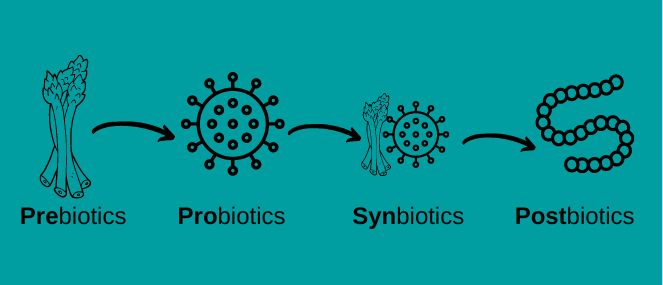
Engineered probiotics and synbiotics aren’t just the next wellness fad—they are rewriting the rules of medicine, nutrition, and human performance. These living medicines can modulate the immune system, secrete therapeutic metabolites on demand, fight tumors in situ, or even influence the gut-brain axis to reshape mental health outcomes. From inflammatory bowel disease to metabolic syndromes like diabetes, from oncology to psychiatric care, engineered probiotics and synbiotics are emerging as the frontier where biology becomes programmable medicine.
Yet science alone is not enough. Taking a promising strain from a petri dish to a globally deployable product demands infrastructure, strategy, and execution that only a probiotic and synbiotic CDMO can provide. The best CDMOs are not mere contractors. They are co-creators, regulatory sherpas, and process engineers. They guide innovators through FDA, EMA, EFSA, and Health Canada frameworks while translating fragile microbiome science into reproducible, compliant, GMP-scale production.
In this arena, the right probiotic and synbiotic CDMO becomes a true force multiplier. They compress timelines, de-risk programs, and turn bold microbial concepts into products that can survive global shipping, pass QC assays, and gain regulator trust. Without such a partner, promising discoveries risk dying in the gap between research and commercialization; with one, they evolve into transformative therapies and consumer-ready innovations that redefine global health.
And here’s why it matters most: patients, consumers, and investors don’t care how elegant the science is if it never leaves the lab. What they care about is impact—new therapeutics on shelves, safer alternatives to antibiotics, functional foods that actually work. CDMOs provide the muscle and the brain to bridge that gap. They blend science + compliance + execution in ways startups alone rarely can, ensuring that engineered probiotics fulfill their promise: not as “cool science,” but as real-world solutions that change lives.
Summary Table
| Required Feature | Why It Matters |
|---|---|
| Advanced Strain Engineering | Safety, functionality, and regulatory reliability |
| AI-driven Fermentor Control | Process stability, faster iteration, higher yield |
| Formulation & Preservation | Viability and effective delivery in real-world conditions |
| Analytics & QC Rigour | Batch consistency, performance, safety |
| Multi-pathway Regulatory | Dual use in drugs vs. supplements |
| Scalable Infrastructure | Smooth transitions from R&D to commercialization |
| Cleanroom & Fill-Finish | Compliance and product integrity |
| Market Awareness | Agile adaptation to trend shifts and new modalities |
| End-to-End Continuity | Seamless, risk-averse development |
| Innovation Partnerships | Staying at the science frontier |
Top 10 FAQ on Engineered Probiotics & Synbiotic
1. What are engineered probiotics and synbiotics?
Engineered probiotics are beneficial microbes (e.g., Lactobacillus, Bifidobacterium) that have been genetically modified to enhance or add therapeutic functions. Synbiotics combine probiotics with prebiotics (nutrients that selectively support them) to improve colonization, activity, and clinical outcomes.
2. How do engineered probiotics differ from traditional probiotics?
Traditional probiotics provide general gut health support. Engineered strains are programmed with specific therapeutic functions: producing enzymes, modulating immunity, secreting metabolites, or delivering drugs directly in vivo.
3. What diseases or conditions can they target?
Applications include:
- GI disorders: IBD, IBS, antibiotic-associated diarrhea.
- Metabolic diseases: diabetes, obesity, cholesterol regulation.
- Infectious diseases: C. difficile, UTIs.
- Oncology: tumor-targeting strains delivering cytokines.
- Neurology: gut-brain axis therapies for depression, Parkinson’s.
4. What tools are used to engineer these microbes?
- CRISPR-Cas systems for precise edits.
- Synthetic circuits to regulate gene expression.
- Metabolic engineering for pathway optimization.
- Kill switches for biocontainment & safety.
5. How do synbiotics improve efficacy?
The prebiotic component acts like “fuel” or a “selective booster” for the engineered strain, enhancing survival, colonization, and metabolic activity in the gut. This makes synbiotics more potent and predictable than probiotics alone.
6. What challenges exist in manufacturing engineered probiotics?
- Maintaining viability through fermentation, drying, and storage.
- Ensuring genetic stability across production batches.
- Developing anaerobic or microaerophilic fermentation systems.
- Scaling under GMP compliance for live biotherapeutics.
7. What regulatory pathways apply?
- Food/Nutrition: GRAS (Generally Recognized as Safe), Novel Food (EU).
- Therapeutics: IND (FDA), EMA Clinical Trial Applications for Live Biotherapeutic Products (LBPs).
- Some programs aim for dual designation (functional food & therapeutic).
8. How is safety ensured?
- Genome sequencing to verify no virulence or antibiotic resistance genes.
- Biocontainment circuits (kill switches, auxotrophy).
- In vitro / in vivo models for immunogenicity and toxicity.
- Controlled dosing & strain-specific monitoring.
9. What are the key market trends?
- Pharma entering the space (Pfizer, Bayer, Nestlé Health Science).
- Rapid growth of microbiome therapeutics (projected $15B+ market by 2030).
- AI-driven strain design & process optimization.
- Expansion into neurological, metabolic, and oncology indications.
10. What role do CDMOs play?
Specialized CDMOs bridge the gap between synthetic biology and industrial-scale manufacturing by providing:
- Strain engineering and fermentation expertise.
- GMP manufacturing of live biotherapeutics.
- Regulatory support (GRAS, IND, IMPD).
- Fill-finish, cold-chain, and global logistics.
Interested in discussing a Probiotic or Synbiotic project with a CDMO?
Email our sales team today at info@elisebiopharma.com