
I. The Grammar of Sugars: Why Carbohydrates Became the New Frontier
Carbohydrates once occupied the margins of pharmaceutical chemistry—an afterthought beside the grandeur of DNA and proteins, dismissed as decorative polysaccharide fluff. Yet the modern Carbohydrate CDMO revolution has rewritten that narrative entirely. Sugars are no longer inert excipients or stabilizing agents; they are active architects of biological communication. Every immune recognition, receptor handshake, and viral evasion maneuver is coded in carbohydrate language—each linkage, branch, and anomeric twist forming sentences in the lexicon of life.
Elise Biopharma’s Carbohydrate CDMO view is simple: sugars write the syntax of biology. Like DNA encodes instruction, glycans orchestrate immune signaling, circulation half-life, and therapeutic potency—tiny structural inflections that often decide efficacy versus immunogenicity. Where glycosylation was once an inconvenient variable, it is now a programmable design element: chemistry + computation + enzymology operating under digital GMP so every glycan is a controlled variable, not an accident.
- Glycans = functional punctuation: tune immune activation, receptor binding, PK, and stability.
- Historical shift: from “sugar as stabilizer” to “sugar as signal” and a design parameter.
- Modern tools: enzyme cascades, microfluidic reactors, and orthogonal analytics for atomic-level reproducibility.
- Platform approach: integrate synthetic route design, data-driven prediction, and enzymatic biocatalysis.
- Digital traceability: electronic batch records, spectral fingerprints, and real-time analytics ensure regulatory readiness.
- Outcome: programmable, reproducible glycoforms that move cleanly from discovery to GMP supply.

Elise Biopharma’s philosophy is direct: carbohydrates are informational polymers as vital as nucleic acids and proteins. This belief transforms process chemistry into information engineering. Only CDMOs that integrate synthetic carbohydrate chemistry, glycoengineering, and analytical glycobiology within a unified quality system can deliver consistent therapeutic outcomes. The “one-size-fits-all” fermentation or formulation shop cannot survive in this domain; precision and reproducibility are mandatory. That’s why Elise Biopharma stands apart as a true Carbohydrate CDMO—a partner fluent in both the chemistry and the language of glycobiology.
From Sweet Chaos to Controlled Architecture
Carbohydrate chemistry looks chaotic because it is—until you design it. Below is a concise, sophisticated distillation that turns the mess of hydroxyls and anomers into an engineering narrative.
Why glycans seem chaotic
- Multiple reactive sites per monosaccharide → combinatorial explosion of linkage possibilities (α/β, positional isomers).
- Branched topologies create non-linear architectures; no two polysaccharides must share the same map.
- Short-lived intermediates and dense protecting-group logic make scale-ready routes nontrivial.
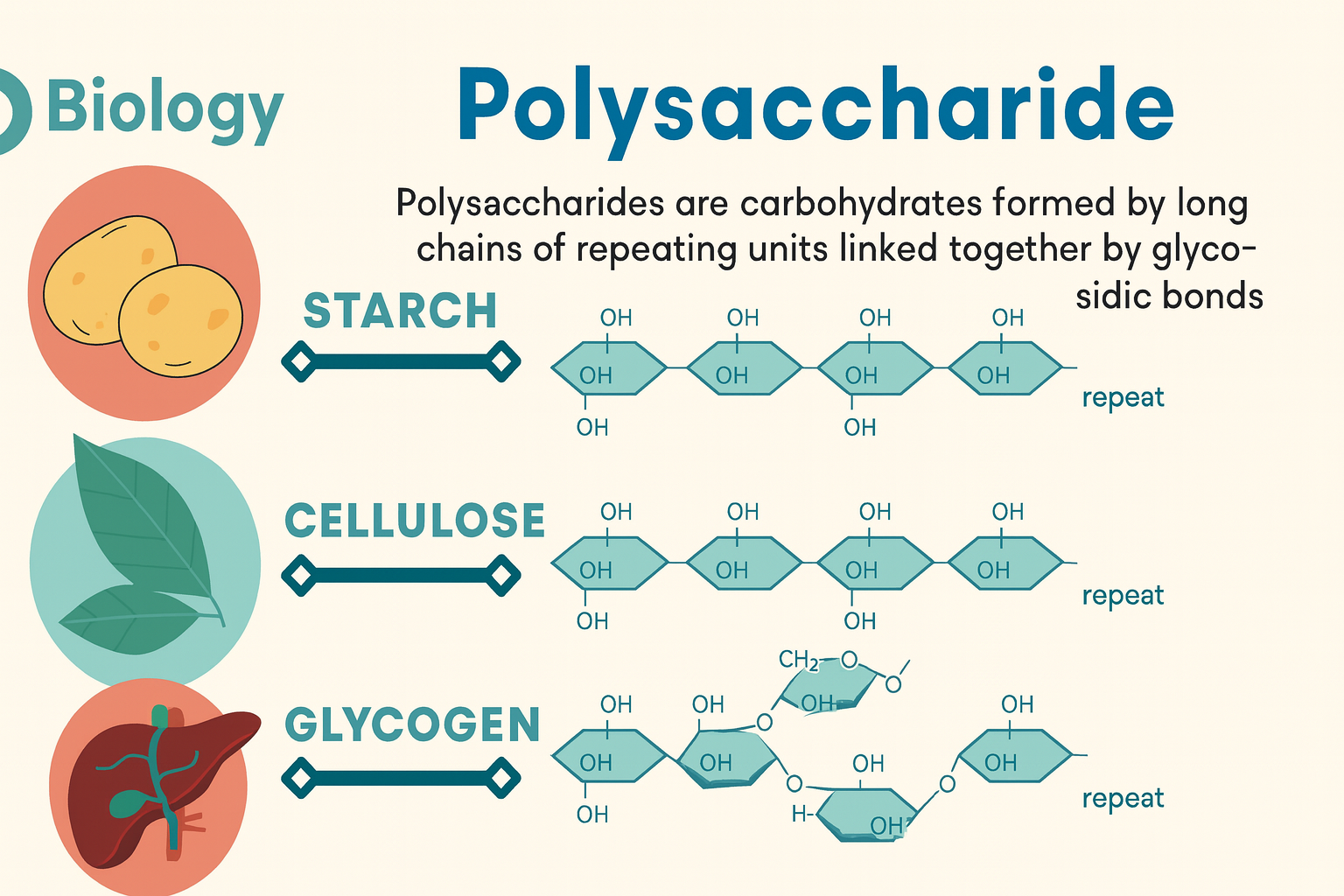
How Elise Biopharma converts chaos into architecture
- Protecting-group choreography: deliberate orthogonality to minimize step count and simplify purges.
- Stereocontrolled glycosylation: selecting donors/promoters and neighbouring-group strategies to lock desired anomeric outcomes.
- Telescoped sequences: combine steps where possible to avoid isolating hygroscopic intermediates and to reduce solvent/handling burden.
- Enzyme-cascade design: deploy CAZymes where chemical control weakens, giving regio- and stereoselectivity biologically.
- Computational fusion: in-silico reactivity prediction and kinetic modeling guide route choice and scale risk mitigation.
- High-precision purification: crystallisation, ion-exchange, size-exclusion and membrane techniques tailored to polar substrates.
Technical toolkit (at a glance)
- Donors/promoters: trichloroacetimidates, thioglycosides, glycosyl fluorides; promoters tuned for selectivity.
- Protecting groups: benzyl/PMB for non-participation, acetyl/benzoyl for anchimeric assistance, silyl groups for orthogonality.
- Biocatalysis: immobilized glycosyltransferases, cofactor recycling, flow-compatible enzyme pellets.
- Analytics: orthogonal methods (HILIC-UPLC, CE-LIF, LC-MS/MS, 2D-NMR) to verify each designed fold.
Outcomes — what “controlled architecture” delivers
- Reproducible, regulator-ready glycoforms with traceable spectral fingerprints.
- Scalable processes that tolerate multi-kg campaigns without losing stereochemical fidelity.
- Lower PMI and fewer chromatographic burdens through telescoping and biocatalysis.
- Clear tech-transfer metadata so the design intent survives to GMP.
Closing note
Carbohydrate chemistry is indeed the world’s most elaborate origami—with sticky fingers. A best-in-class Carbohydrate CDMO conducts those folds deliberately: elegant design, reproducible manufacture, and analytic transparency so that the molecule you imagine is the molecule you deliver.
II. The Engineering of Glycans: Inside a Carbohydrate CDMO
To complement the technical depth already on the services page, this section zooms in on how a top-tier carbohydrate CDMO converts concept to clinic—across discovery, process, and analytics.
1. Discovery & Route Design — choreography at the anomeric center
Every carbohydrate program begins with one practical question: how do we make this reproducibly at scale? Route scouting is engineering, not trial-and-error. A Carbohydrate CDMO treats each glycosidic bond as a decision node—selecting donor type (e.g., trichloroacetimidate, thioglycoside, glycosyl fluoride), promoter (TMSOTf, NIS/TfOH, BF₃·OEt₂), protecting-group set (Bn, Ac, Lev, TBS, PMB) and deprotection sequence. Modern route-scoring balances stereocontrol, purification burden, solvent footprint, and telescoping potential so teams prioritize robust paths before using reagents.
Stereocontrol uses anchimeric assistance (2-O-acyl) or non-participating groups (Bn/PMB) with tuned promoters, solvent polarity and temperature. For stubborn linkages we deploy pre-activation, armed/disarmed strategies, or enzyme-assisted steps. Computational predictors estimate donor–acceptor reactivity and likely anomeric outcomes to cull infeasible routes early.
Scale drives choices: avoid hazardous deprotections, favor aqueous-compatible chemistries, and design impurity purge points (crystallisation, ion-exchange, membranes). In short: convert sticky sugar origami into scalable blueprints that survive the factory floor.
2. Biocatalysis and the Rise of CAZymes — let nature do the chiral heavy lifting
Biocatalysis changed the game. Glycosyltransferases, glycosidases (used in reverse or mutated to act as glycosynthases), sulfotransferases, epimerases, and kinases deliver regiochemical and stereochemical precision that is often intractable by brute-force chemistry. A Carbohydrate CDMO leverages CAZymes not as boutique curiosities but as engineering tools: immobilised enzyme cascades in flow reactors, cofactor recycling systems (UTP/ATP/UDP sugar regeneration), and semi-continuous cascade assemblies that reduce step count and solvent load.
Operationally, that means investing in enzyme supply chains and enzyme engineering. Elise Biopharma runs directed-evolution pipelines (error-prone PCR, DNA shuffling, phage/yeast display) and high-throughput microtiter assays to optimise kcat/Km, thermostability (T₅₀), and solvent tolerance. Immobilisation on resins or in polymeric beads delivers enzyme reuse and continuous operation; co-immobilised multi-enzyme pellets can hand off intermediates without isolation—think of them as an elegant biochemical assembly line where intermediates never have to see the light of day.

Technical knobs you’ll see in practice: mutating catalytic residues to broaden sugar acceptor scope, altering glycosyltransferase loop regions to change donor specificity (UDP-Gal → UDP-GlcNAc acceptance), engineering metal-ion independence, and optimizing buffer systems to balance enzyme kinetics with downstream purification ease. Cofactor regeneration—via enzymatic ATP/UTP recycling or electrochemical methods—keeps processes economical at scale.
The payoff is dramatic: fewer protecting groups, higher regio-selectivity, lower solvent consumption, and routes that telescope from discovery directly into pilot scale.
And the joke in the enzyme room is true: nature has had billions of years to perfect stereochemistry; using CAZymes is simply smart leverage. A Carbohydrate CDMO that treats CAZymes as core process tech (not an optional add-on) gains speed, selectivity, and sustainability.
3. Analytical Glycobiology — orthogonality, sensitivity, and the tyranny of isomers
“You can’t control what you can’t measure” is never truer than with glycans. Analytical glycobiology combines classical spectroscopy with modern mass spec and separation science to resolve branching, linkage, and anomeric configuration.
A robust suite at a Carbohydrate CDMO includes:
- Derivatisation techniques: permethylation (for linkage analysis), reductive amination with fluorescent tags (2-AB, 2-AA) for HILIC/UPLC, and 1-phenyl-3-methyl-5-pyrazolone (PMP) labelling for monosaccharide composition by LC. Derivatisation improves detectability and fragmentation patterns in MS and adds chromatographic handles.
- Separation orthogonality: HILIC-UPLC for glycoform profiling, reversed-phase for labelled derivatives, anion-exchange for sulfated species, and capillary electrophoresis (CE-LIF) for ultra-high-resolution profiling. Each technique exposes different facets of the glycan.
- Mass spectrometry depth: MALDI-TOF for intact mass distributions, LC-MS/MS for sequenceable fragments, and multi-stage MSⁿ on ion traps/Orbitraps to elucidate branching. Collision-induced dissociation (CID) and higher-energy collisional dissociation (HCD) give complementary fragment ions. Targeted MRM/PRM methods on triple-quads and Q-ToFs allow sensitive quantitation of low-abundance glycoforms.
- NMR structural confirmation: 1D/2D NMR (¹H, ¹³C, HSQC, HMBC, TOCSY, NOESY) remains the gold standard for definitive linkage assignment and anomeric configuration, especially for new or unexpected structures.
- Enzymatic sequencing: targeted exoglycosidase panels (α/β-galactosidase, neuraminidase, fucosidase) uninstall terminal residues sequentially to confirm topology when MS/NMR leave ambiguity.
Validation is not optional: limit of detection (LOD), limit of quantitation (LOQ), linearity, accuracy, precision, specificity, and robustness must be established for each assay—especially when glycoform distributions map to CQAs. Elise Biopharma builds analytics with redundancy: if LC-MS suggests a minor epimer at 0.5%, the lab confirms via CE-LIF, permethylation-GC-MS linkage analysis, and targeted NMR before accepting or rejecting a batch.
Analytical speed matters too. AI-assisted spectral deconvolution accelerates interpretation (flagging co-eluting isomers, isotopic envelopes, and adduct patterns), but human expertise still adjudicates edge cases. For a Carbohydrate CDMO, analytics are both compass and legal counsel: they guide process decisions and provide the evidentiary trail for regulators.
4. Conjugation Chemistry — the art of making sugars matter biologically
Conjugation transforms carbohydrates from molecules into function: a polysaccharide antigen becomes an immunogen only when properly attached to a carrier; a hydrophilic carbohydrate handle can rescue an otherwise aggregation-prone ADC. A Carbohydrate CDMO excels at both chemistry and strategy: which linker, which site, and which stoichiometry will give you the biological endpoint you need?
Key technical choices include:
- Linkage chemistries: reductive amination (aliphatic aldehyde from periodate oxidation → amine), oxime ligation (aldehyde/ketone → aminooxy), hydrazone, maleimide-thiol (sensitive to reversibility), CuAAC (copper-catalysed azide-alkyne cycloaddition), SPAAC (strain-promoted azide-alkyne, copper-free), and enzymatic transglycosylation (EndoS/EndoS2 glycosynthases) for site-specific remodeling.
- Site-specificity strategies: enzymatic remodeling to create a single glycan handle (e.g., trimming to a GlcNAc stub and enzymatically adding an azido-sugar), glycoengineering of expression hosts to install unique chemical moieties, or peptide-based tags that accept orthogonal chemistries.
- DAR & hydrophilicity control: carbohydrates frequently act as hydrophilic spacers to increase ADC solubility and lower aggregation. The CDMO must quantify drug-to-antibody ratio precisely (HIC-HPLC, MS) and control distribution through stoichiometry, reagent equivalents, and capping chemistries.
- Stability & conjugate analytics: hydrolytic and oxidative stability studies, forced degradation to map attachment site stability, and release-mechanism validation for prodrug linkers. Release kinetics matter not only for efficacy but for safety (payload exposure in circulation vs target site).
- Scale considerations: reactions that are benign on 100 mg scale—e.g., using excess copper for CuAAC—may be problematic at kg scale. A Carbohydrate CDMO designs conjugation routes with minimal toxic reagents, efficient scavenging/clean-up (chelating resins, activated carbon, dialysis), and validated purge strategies to meet residual limits.
Conjugation is where chemistry, immunology, and engineering meet. Done well, a glycan handle becomes a programmable module that defines biodistribution, immune presentation, and manufacturability. Done poorly, it’s the source of aggregation, immunogenicity, or regulatory delay.
5. GMP Manufacturing & Process Data — humidity, Tg, and digital traceability
Scale amplifies behavior. Sugars are hygroscopic, thermally sensitive, and enjoy hiding as residues on equipment. A GMP campaign for carbohydrate products demands environmental engineering, validated containment, and process analytics specific to carbohydrate physics.
Core technical program elements:
- Environmental control: humidity-controlled suites for hygroscopic intermediates, desiccated containers for storage and transfer, and closed transfers for potent or dust-generating solids. Powder handling requires dust control, HEPA-filtered isolators, and glovebox/isolator validated transfer ports. For polysaccharide vaccines, particle size and endotoxin control also matter.
- Lyophilization science: sugar glasses have distinct glass-transition temperatures (Tg′ for the maximally freeze-concentrated solute) and collapse temperatures; lyophilization cycles must be characterized (freezing, annealing, primary and secondary drying) with thermocouple mapping, Pirani/vacuum gauges, and product temperature control. Controlled nucleation and shelf ramping reduce heterogeneity and stability risk.
- PAT & in-process analytics: inline Raman/NIR spectroscopy for solvent removal and donor consumption, at-line HPLC for glycoform monitoring, and moisture sensors (Karl Fischer) to guide end-points. Closed-loop control can modulate feed rate, enzyme addition, or temperature to keep CQAs in spec.
- DoE & statistical process control: robust process development uses Design of Experiments to map CPP→CQA relationships; control plans and bracketing strategies define operating ranges. Trending dashboards monitor glycoform drift, sulfation variability, or DAR shifts in real time.
- Digital batch records & metadata: every analytical result, instrument run, and operator action plugs into electronic batch records (EBRs) with timestamped audit trails. Glycan metadata—NMR spectra, LC retention indices, MS fingerprints—attach to batch records so comparability and investigations trace cleanly.
- Cleaning & cross-contamination controls: carbohydrate residues can be sticky and hard to remove; validated cleaning methods (enzyme washes, organic solvent rinses, validated CIP/SIP) and extractables/leachables characterization for conjugation/implantable product workflows are mandatory.
GMP for carbohydrates is less about “bigger beakers” and more about translating delicate physicochemical behavior into robust control strategies. A capable Carbohydrate CDMO treats scale-up as a systems engineering problem—humidity, thermal transitions, and trace analytics are designed into the process, not patched on at the end.
6. Regulatory Science as Design Science — build the CMC, don’t plead it
Regulatory work for carbohydrate products demands early, explicit linkage between glycan attributes and biological outcomes. A world-class Carbohydrate CDMO integrates regulatory expectations into process design, such that CMC becomes a demonstration of control rather than a defensive artifact.
Practical regulatory engineering components:
- CQA mapping: define CQAs that include glycoform distribution, degree of sulfation, sialylation ratio, residual free saccharide (for conjugates), DAR, and critical impurity classes (epimers, truncated oligos, residual protecting groups). Tie each CQA to analytical methods with defined acceptance criteria and justification based on safety/efficacy data.
- Control strategy documentation: for every CQA, document CPPs, control points, in-process checks, and impurity purge rationales. Provide bracketing and worst-case challenge data to show robustness.
- Comparability & lifecycle management: tech transfer, supplier changes, or scale moves are inevitable. Design comparability protocols (statistical equivalence testing, orthogonal analytics, and limited clinical bridging criteria when necessary) and maintain knowledge graphs of spectral fingerprints to support claims of sameness.
- Method validation & stability programs: validate methods as stability-indicating where applicable (e.g., detect aggregative species or epimerisation). Longitudinal stability programs must cover temperature/humidity matrices and accelerated degradation to propose shelf-life and storage conditions.
- Risk assessments & ICH alignment: conduct ICH-Q9 risk assessments, QbD narratives, and align impurity control with ICH-Q3A/B, Q6B, and GMP expectations. When novel impurities arise, provide toxicological rationales or route maps for removal.
- Regulatory communication & readiness: prepare reviewer-ready packets that explain why marginal glycoform shifts are clinically irrelevant or why a conserved structural motif requires tight control. Provide decision trees (what to do if a glycoform drifts 1–2%) and pre-agreed comparability criteria to shorten review cycles.
In essence, regulatory science becomes part of process engineering. A Carbohydrate CDMO that treats regulators as partners in understanding (not adversaries to be placated) will design cleaner CMC stories, reduce cycles in review, and accelerate time-to-clinic.
Closing quip
Designing carbs at scale is part chemistry, part enzymology, part industrial hygiene, and part gentle negotiation with Nature. A first-rate Carbohydrate CDMO assembles all those disciplines into one practiced crew: chemists who love protecting groups, enzymologists who make promiscuity behave, analytical scientists who refuse to be fooled by ghosts in the spectra, and engineers who whisper to freeze-dryers. That orchestration—precise, documented, and reproducible—is how sugar becomes signal and signal becomes medicine.
III. The Future of the Carbohydrate CDMO: Digital, Sustainable, and Interconnected
The future of glycan manufacturing belongs to organisations that treat carbohydrates not as chemistry problems alone but as data-driven engineering challenges, circular economy opportunities, and cross-modal platform problems to be solved holistically. A modern Carbohydrate CDMO that wants to lead must therefore master three convergent domains: digital glycomics, green/sustainable process engineering, and deep integration across therapeutic modalities. Elise Biopharma builds each of these into a single continuum—so discovery feeds process, process feeds data, and data drives continuous improvement. Below, each axis is unpacked with practical technical detail and clear examples of how it changes program risk, speed, and cost.
A. Digital Glycomics and AI-Driven Manufacturing — data as a catalytic reagent

Data is the enzyme of understanding: it accelerates insight, reduces empiricism, and automates hard pattern-recognition tasks that used to need decades of specialist experience. A next-gen Carbohydrate CDMO embeds machine learning and digital engineering at five operational layers:
- In-silico route prediction and retrosynthesis — Graph-based ML models and reaction-fingerprint databases predict protecting-group strategies and probable stereochemical outcomes for proposed glycosylations. This lets chemists triage candidate routes by predicted yield, number of isolations, and chromatography burden before bench work starts.
- Spectral deconvolution & orthogonal analytics — Deep-learning algorithms analyse complex LC-MS and HILIC-UPLC profiles to identify co-eluting isomers, predict probable linkage types, and quantify low-abundance epimers. AI speeds spectral interpretation from hours to minutes and flags anomalous batches for immediate intervention.
- Real-time PAT & closed-loop control — Process Analytical Technology (inline IR, Raman, HPLC-at-line) streams into digital controllers that implement feedback loops. For example, an inline Raman marker for donor consumption can trigger incremental additions of base or enzyme in a glycosylation to hold an anomeric ratio within CQA bounds—effectively turning a batch into a semi-continuous process with much tighter control.
- Digital twins & process simulation — High-fidelity digital twins simulate reactor hydrodynamics, solvent gradients, and humidity profiles in carbohydrate-sensitive steps (e.g., drying or lyophilization where Tg matters). These twins let engineers run virtual DoE, forecast scale-dependent impurity formation, and plan mitigations without wasting real reagents.
- Knowledge graphs & comparability tracking — Structured glycan metadata (NMR fingerprints, LC retention indices, monosaccharide composition) feed a searchable knowledge graph. When a comparability question arises—new site, new donor lot—the CDMO can trace spectral signatures, process parameters, and impurity purge pathways instantly to support regulatory narratives.
Taken together, these capabilities do more than speed work: they reduce technical attrition, compress CMC timelines, and convert artisanal glycan synthesis into reproducible engineering. For clients, that translates to fewer surprises, shorter IND timelines, and cleaner tech transfers. That is what an AI-native Carbohydrate CDMO looks like in practice.
B. Sustainability: Green Chemistry Meets Sweet Chemistry — measurable, not rhetorical
Sustainability for carbohydrate manufacturing is practical engineering, not marketing. A leading Carbohydrate CDMO pursues explicit metrics (E-factor, Process Mass Intensity (PMI), solvent recycle rates, lifecycle GHG) and couples them to chemistry choices that materially reduce waste and cost:
- Aqueous biocatalysis and enzyme immobilisation. Replacing multi-step chemical glycosylations with immobilised glycosyltransferase cascades can collapse solvent use and simplify purifications. Immobilised CAZymes enable reuse, permit continuous flow, and reduce enzyme titers per batch—lowering cost and environmental impact.
- Telescoping and continuous processing. Wherever possible, the CDMO telescopes steps (glycosylation → selective deprotection → conjugation) to avoid isolating hygroscopic intermediates. Continuous extraction and membrane-based purification reduce chromatography loads and solvent consumption.
- Solvent management & recycling. When organic solvents remain necessary (e.g., for certain protecting-group manipulations), the facility deploys on-site distillation/recovery trains and solvent-swap strategies to shift toward greener solvents with lower toxicity and higher recycle efficiency.
- Chromatography minimisation & alternative separations. High-performance chromatography is often the largest solvent user. Smart process design substitutes precipitation, crystallisation (for protected intermediates), membrane separations, and ion-exchange where feasible, yielding major PMI improvements.
- Waste valorisation. Sugar-rich waste streams are not treated as refuse but as feedstocks—fermented to useful by-products, enzymatically converted, or purified as lower-grade oligosaccharide products. This circular approach can turn a cost center into a modest revenue stream.
- Energy efficiency in lyophilization. Lyophilization dominates energy in carbohydrate handling; closed-loop heat recovery, optimized shelf loading algorithms, and controlled nucleation reduce cycle times and energy use while maintaining glass-transition and residual-moisture CQAs.
Clients benefit from sustainability in two immediate ways: lower operating cost and stronger regulatory/social license. Regulatory agencies and procurement committees increasingly weight environmental performance; a sustainable Carbohydrate CDMO reduces both compliance risk and total cost of ownership.

C. Integration Across Modalities — platform thinking for hybrid therapeutics
Therapies now fuse chemistries. Glyco-modified mRNA LNPs, sugar-decorated viral vectors, glycan-tuned ADC linkers and glycosaminoglycan-based scaffolds all require coordinated development across molecular classes. A true Carbohydrate CDMO integrates seamlessly into this mosaic by providing:
- Shared analytical platforms & data schemas. Using common QC platforms (HILIC-UPLC, LC-MS, NMR) and unified data formats (spectral standards, system suitability controls) makes cross-platform comparability straightforward. That avoids the classic handoff problem—“our assay says X, your assay says Y.”
- Interoperable process modules. Standardised, well-characterised module blocks—e.g., glycan synthesis, conjugation, LNP coating—allow faster assembly of hybrid products. Modules come with defined interfaces (buffer specs, concentration ranges, particle size distributions) so teams chain them together deterministically.
- Regulatory & CMC co-planning. The CDMO embeds regulatory strategy that anticipates multi-modal filing questions: impurity attribution when carbohydrate is part of an LNP surface; leachables when glycan-coated implants are used; or comparability when glycoforms change between batches. Early cross-functional CMC planning avoids late stage surprises.
- Supply-chain orchestration. Complex projects need coordinated delivery: rare nucleotide sugars, GMP carriers (CRM197, TT), CAZymes, LNP lipids. The CDMO manages sourcing, dual-sourcing critical reagents, and maintains qualified supplier lists—reducing single-point failures.
- Platform tech transfer. Because modules are standardised, tech transfer reduces to exchanging validated interfaces and metadata, not rewriting methods from scratch. This speeds scale-out to manufacturing partners or regional CMOs without losing control of CQAs.
This multi-modal integration enables manufacturability by design: the vaccine antigen, glycan carrier, and delivery vehicle are co-designed under a single quality umbrella so the finished product behaves predictably in biology and in the supply chain.
TOP 25 FAQ- Carbohydrate CDMO
- What exactly does a Carbohydrate CDMO do?
A Carbohydrate CDMO develops and manufactures sugar-based molecules (mono-/oligosaccharides, polysaccharides, glycoconjugates, CAZymes), providing route design, process development, scale-up, analytical glycoprofiling, conjugation, GMP supply and regulatory support specific to carbohydrate chemistry. - Why are carbohydrates harder than proteins or small molecules?
Multiple stereocenters, branching, anomeric configuration, lack of UV chromophores, high polarity and water solubility create separation, stability and stereocontrol challenges not commonly seen with peptides or classic APIs. - When should I choose chemo-enzymatic vs purely chemical routes?
Use chemo-enzymatic approaches for stereoselective linkages, regioselectivity or to avoid heavy protecting-group schemes; prefer chemical when cofactors, enzyme supply or substrate scope make biocatalysis impractical for scale. - What are the common glycosyl donors and promoters?
Trichloroacetimidates, thioglycosides, glycosyl fluorides, and phosphate donors are common; promoters include TMSOTf, NIS/TfOH and BF₃·OEt₂. Choice balances reactivity, selectivity and scale-handling safety. - How is anomeric stereocontrol achieved?
Strategies: neighboring-group participation (2-O-acyl), solvent and temperature tuning, pre-activation, armed/disarmed donors, stereodirecting auxiliaries and enzymatic control via glycosyltransferases. - Which protecting groups scale best?
Bn/PMB for non-participating, Ac/Bz for participating, TBS/TIPS for orthogonality. Avoid groups needing hazardous deprotection (e.g., heavy-metal hydrogenolysis) at large scale. - What role do CAZymes play?
Glycosyltransferases, glycosidases (as glycosynthases), sulfotransferases and kinases enable regio- and stereoselective transformations with fewer steps, often enabling telescoped, greener routes. - How do you handle enzyme supply & stability?
Strategies: in-house expression, directed evolution for thermostability, immobilization for reuse, cofactor recycling systems (enzymatic or electrochemical) and validated storage/transport conditions. - What analytical suite is essential?
HILIC-UPLC, CE-LIF, LC-MS/MS, MALDI-TOF, and 2D-NMR form an orthogonal toolkit. Ion chromatography and GC-MS (after permethylation) are used for monosaccharide/linkage analysis. - Why derivatization and when is it used?
Derivatization (2-AB, 2-AA, PMP, permethylation) improves detectability, chromatographic behavior and fragmentation patterns for MS/NMR; essential for low-UV sugars or detailed linkage mapping. - How do you quantify glycoform distributions?
Use orthogonal methods (HILIC-FLR + LC-MS/MS + CE-LIF), with validated response factors or labelled standards; statistical reporting includes % distributions, confidence intervals and detection limits. - What is linkage analysis and how is it done?
Methylation followed by GC-MS or 2D-NMR permits positional linkage assignments; enzymatic exoglycosidase sequencing complements chemical methods for confirming terminal residues. - Which conjugation chemistries are preferred for glycoconjugates?
Reductive amination (periodate→amine), oxime ligation, CuAAC/SPAAC, maleimide-thiol and enzymatic transglycosylation. Choice depends on site-specificity, scale, and residual reagent removal. - How is DAR controlled for glyco-modified ADCs?
Control via site-specific handles, stoichiometry, capping chemistries and careful stoichiometric design; analytics (HIC-HPLC, MS) verify distribution and stability under forced degradation. - What are typical carbohydrate impurities and purge strategies?
Epimers, truncated oligos, residual protecting groups, salts/counter-ions. Purge via crystallization, ion-exchange, SEC, membrane filtration and validated chromatographic steps; impurity profiles guide CQA limits. - How do humidity and Tg affect scale-up and lyophilization?
Sugar glasses have specific Tg′ and collapse temperatures; lyophilization cycles require Tg mapping, controlled nucleation and moisture control to ensure stability and homogeneous cake structure. - What Process Analytical Technology (PAT) is useful?
Inline Raman/NIR for donor consumption and solvent removal, at-line HPLC for glycoform checks, moisture sensors, and closed-loop controllers to hold CPPs within CQA windows. - How do you validate analytical methods for glycans?
Validate specificity, LOD/LOQ, linearity, accuracy, precision, robustness and stability-indicating capability; matrix effects and derivatization recoveries must be demonstrated. - What does comparability testing for glycoforms look like?
Orthogonal glycoprofiling, statistical equivalence thresholds, functional assays where appropriate, and bridging strategies that combine analytics with limited biological data if necessary. - How are rare sugars / nucleotide sugars sourced and qualified?
Dual-sourcing, in-house synthesis, vendor audits and full COA checks (chirality, purity, counter-ions) are essential; plan procurement lead-times into timelines. - How is sustainability measured in glycan processes?
Metrics: PMI, E-factor, solvent recycle rate, enzyme reuse cycles. Move to aqueous biocatalysis, telescoping, membrane separations and solvent recovery to reduce environmental footprint. - What are common tech-transfer pitfalls for carbohydrate programs?
Analytical method portability, loss of tacit enzyme know-how, humidity/environmental differences, and undocumented impurity lineage. Mitigate with knowledge graphs, system suitability panels and scale-down models. - How do you manage endotoxin and bioburden in sugar products?
Validated raw material control, depyrogenation where feasible, aseptic handling for APIs intended for parenteral use, and robust bioburden testing (LAL/aequorin methods and sterility per USP/EP). - Advanced: how are sulfation patterns introduced and controlled (GAG chemistry)?
Use regioselective sulfotransferases or chemical sulfation with protecting-group strategies; control degree/position of sulfation via enzyme specificity or stoichiometric/templated chemical sulfation and rigorous LC-MS/NMR mapping. - Cutting edge: how does AI change carbohydrate development?
Machine learning accelerates route prediction, spectral deconvolution, digital twins for scale simulation, and predictive PAT control—reducing cycle time, demystifying spectra and improving first-pass scale success.
Why It Matters — strategic, clinical, and commercial stakes
Elise Biopharma’s full-spectrum approach to being a Carbohydrate CDMO matters because glycans now dictate strategic outcomes across the product lifecycle:
- Scientifically, glycoforms tune immunogenicity, receptor engagement, and pharmacokinetics. Control over glycan structure is control over biology.
- Clinically, consistent glycoprofiles drive reproducible safety and efficacy; uncontrolled glycan heterogeneity leads to variability in patient responses.
- Regulatorily, agencies demand orthogonal analytics and robust comparability strategies. A CDMO that embeds those from day one reduces approval risk.
- Commercially, glycan mastery shortens time-to-clinic, reduces batch failures, and enables premium differentiation (biobetters, optimized ADCs, next-gen conjugates).
- Investor-wise, programmes with low technical risk and clean CMC stories secure capital more readily—and a digital, sustainable, integrated Carbohydrate CDMO materially lowers that technical risk.
By fusing advanced chemistry, enzyme engineering, orthogonal analytics, and digital manufacturing, Elise Biopharma converts glycan complexity into competitive advantage. We don’t merely “make sugars”—we model them, control them, scale them, and document them so they behave predictably in patients and regulators’ hands.
So, the next time you see “carbohydrate CDMO” in a project plan, remember: you’re not outsourcing sweetness; you’re partnering with the very grammar of life.
More? Link to Elise Biopharma –> Carbohydrate CDMO Services
Even more? Link to: Why Phage CDMOs matter for Antibody discovery
Business? Contact our team directly at info@elisebiopharma.com
